


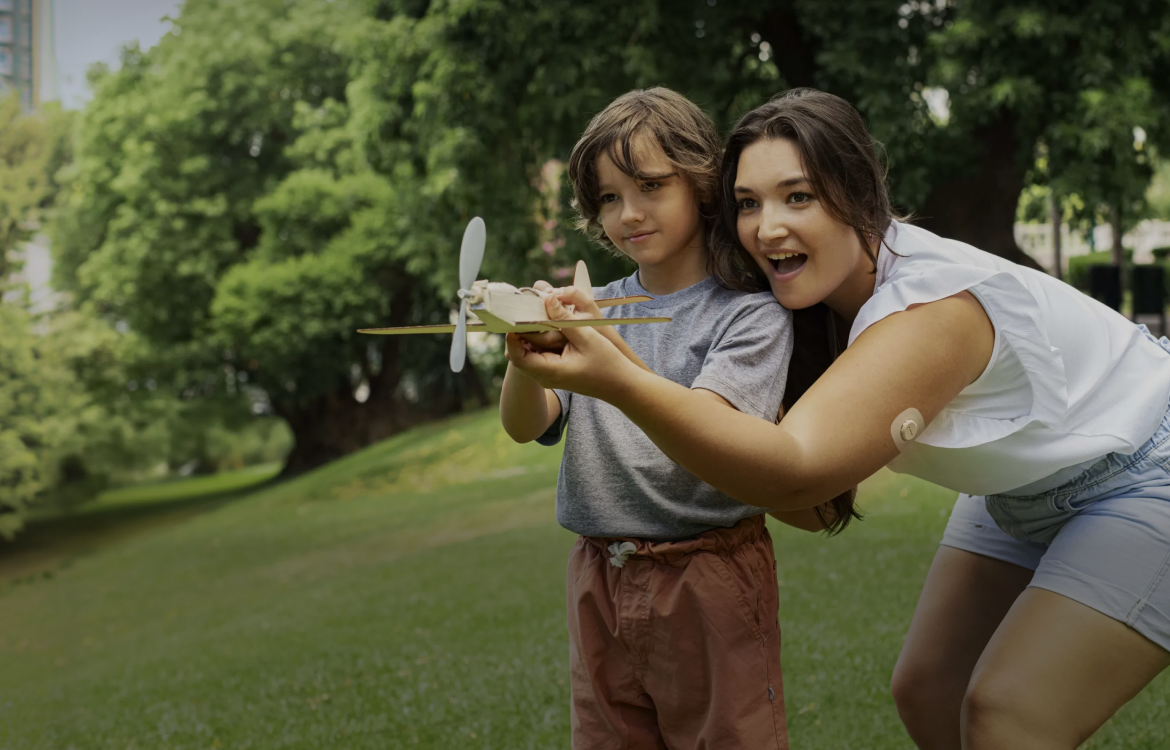
El verano trae un conjunto de retos muy propios para quienes manejan diabetes, y no siempre reciben la atención que merecen. El calor afecta la potencia de la insulina, la adhesión del MCG, el funcionamiento de la bomba, e incluso la forma en que tu cuerpo responde a la glucosa, de maneras que pueden hacer que una rutina bien controlada se sienta de pronto impredecible. La buena noticia es que la mayoría de estos retos se manejan con un poco de conciencia y preparación. Esta guía repasa todo lo que necesitas saber para proteger tus dispositivos y tu manejo de la diabetes durante los meses más calurosos del año.
Cómo Afecta el Calor del Verano al Manejo de la Diabetes
Según los CDC, las temperaturas de 80 grados Fahrenheit o más, sobre todo combinadas con humedad alta, pueden afectar los medicamentos para la diabetes, los suministros de prueba y tu salud en general. Esto es lo que el calor pone en riesgo y por qué:
- Potencia de la insulina: la insulina expuesta a calor excesivo se degrada y pierde efectividad, lo que puede causar subidas de glucosa sin explicación que no responden de forma normal a las correcciones.
- Adhesión del MCG: el sudor y la humedad debilitan el adhesivo que sostiene el parche del sensor a la piel, lo que provoca que se despegue antes de tiempo.
- Precisión del MCG: la deshidratación por el calor y la actividad física puede afectar la dinámica del líquido intersticial e influir en las lecturas de glucosa.
- Funcionamiento de la bomba de insulina: el calor intenso puede dañar los componentes electrónicos de la bomba y degradar la insulina del reservorio más rápido de lo normal.
- Variabilidad de la glucosa: el calor dilata los vasos sanguíneos, lo que puede acelerar la absorción de insulina y aumentar el riesgo de hipoglucemia, sobre todo durante y después de actividad al aire libre.
La mayoría de estos riesgos se pueden prevenir. Las siguientes secciones cubren cada área con pasos específicos y prácticos.
Cómo Proteger tu Insulina del Daño por Calor
La insulina es más sensible al calor de lo que muchas personas creen, y la insulina dañada no siempre se ve distinta. No siempre cambia de color ni se vuelve turbia, lo que significa que podrías inyectarte o recibir insulina degradada sin ninguna advertencia visible.
Según la Asociación Americana de la Diabetes, la insulina nunca debe guardarse bajo luz solar directa, en la guantera del carro, ni en contacto directo con hielo o paquetes de gel. La insulina abierta que se guarda a temperatura ambiente generalmente es segura hasta por 28 días, dentro de un rango de 59 a 86 grados Fahrenheit. Por encima de ese rango, la potencia empieza a degradarse más rápido. En condiciones de verano, ese límite se puede superar con facilidad, sobre todo dentro de un carro, en una bolsa dejada al sol directo, o en un lugar al aire libre sin sombra.
Pasos prácticos para proteger tu insulina durante el verano:
- Guarda tu insulina de repuesto en el refrigerador (entre 36 y 46 grados Fahrenheit) hasta que la vayas a usar.
- Usa un estuche térmico para insulina cuando salgas de casa por periodos largos. Los estuches diseñados para uso activo mantienen la insulina dentro del rango de temperatura seguro, incluso en ambientes calurosos, sin necesidad de refrigeración.
- Nunca coloques la insulina directamente sobre un paquete de hielo ni dentro de una hielera con hielo. El frío directo puede congelarla, lo cual también destruye su potencia.
- Al conducir, guarda tu insulina en una bolsa térmica en lugar de la guantera o el asiento trasero, donde el calor se acumula rápidamente.
- Si usas una bomba de insulina, ten en cuenta que la insulina de tu reservorio está sujeta a los mismos riesgos de temperatura. Un estudio publicado en PubMed Central encontró que la temperatura del reservorio de la bomba fluctúa entre 25°C y 37°C durante el uso normal en condiciones de verano, y señala que el calor corporal de quien la usa se suma a la exposición a la temperatura ambiente. Cambiar el reservorio con más frecuencia en calor extremo, en lugar de estirar los ciclos de llenado, ayuda a asegurar que la insulina que recibes no esté comprometida.
Las señales de que tu insulina pudo haberse dañado por el calor incluyen subidas de glucosa sin explicación que no responden a las correcciones normales, turbidez inusual o partículas visibles en insulina que suele ser clara, o un cambio en la apariencia de la insulina en comparación con un frasco o pluma nuevos. Si sospechas daño por calor, reemplaza la insulina y comunícate con tu proveedor de salud si la glucosa elevada persiste.
Cómo Mantener tu MCG y tu Bomba Funcionando en Calor y Humedad
Tu MCG y tu bomba de insulina se ven afectados por las condiciones del verano, aunque de formas distintas y con soluciones distintas.
Sensores de MCG y adhesión. El calor y el sudor están entre las causas más comunes de que un sensor de MCG se despegue antes de tiempo. El adhesivo que sostiene el sensor a tu piel se debilita más rápido bajo humedad y calor sostenidos. Entre los pasos prácticos que ayudan están usar una toallita preparadora de piel antes de cada nueva inserción, colocar un parche impermeable sobre el sensor desde el momento en que lo aplicas, en lugar de esperar a que empiece a despegarse, y elegir sitios de inserción que tengan menos fricción con la ropa en clima cálido. Para una guía más detallada sobre estrategias de adhesión, visita nuestra guía del Centro de Aprendizaje sobre la adhesión del sensor MCG.
Precisión del MCG en el calor. La deshidratación, común en clima caluroso, afecta el líquido intersticial que mide tu MCG. Mantenerte bien hidratado durante el día ayuda a que las lecturas de tu MCG sean más estables y consistentes. Si notas que las lecturas de tu MCG varían o parecen inconsistentes durante periodos de mucho sudor o poca ingesta de líquidos, vale la pena evaluar tu hidratación antes de asumir que el problema es la colocación del sensor o una falla del dispositivo.
Bombas de insulina. Los CDC señalan específicamente que el calor puede dañar las bombas de insulina y otros equipos para la diabetes. Las bombas y suministros desconectados nunca deben dejarse bajo el sol directo ni dentro de un carro caliente. La mayoría de los sistemas de bomba con tubo, incluido el Tandem t:slim X2, tienen rangos de temperatura específicos. El Tandem t:slim X2 puede exponerse a temperaturas de operación de entre 41 y 104 grados Fahrenheit. Guardarlo o usarlo por tiempo prolongado por encima de esos límites pone en riesgo tanto el funcionamiento del dispositivo como la insulina que contiene. Al aire libre en calor extremo, es mejor mantener la bomba a la sombra y cerca del cuerpo (donde tu propia temperatura corporal modera el ambiente) que dejarla expuesta a la temperatura del aire.
Para quienes usan bombas sin tubo, el pod del Omnipod 5 se lleva puesto de forma continua, lo que ayuda a moderar la exposición a la temperatura gracias al calor corporal, pero los mismos principios aplican al controlador y a los pods de repuesto guardados.
Por Qué Vale la Pena Planificar para el Verano
Las complicaciones relacionadas con el calor son más comunes en verano de lo que la mayoría espera, y suelen empezar con algo que parece menor: insulina que se quedó demasiado tiempo en el carro, un sensor que se cayó al cuarto día, o una deshidratación que hizo poco confiables las lecturas de la tarde. Cada una de estas situaciones se puede manejar por separado, pero juntas pueden generar varios días difíciles de control de glucosa que toman tiempo en estabilizarse. Un poco de preparación antes de tus planes de verano, ya sea un día de playa, un viaje en carretera, o simplemente un traslado en un día caluroso, hace una gran diferencia para mantener tu manejo bajo control. Explora nuestra página de Educación y nuestro Centro de Aprendizaje para más guías prácticas sobre el cuidado de tus dispositivos en cada temporada del año.
Preguntas Frecuentes Sobre la Diabetes y el Calor del Verano
¿Cómo sé si mi insulina se dañó por el calor?
La señal más confiable es una glucosa que sube sin explicación y no responde de forma normal a las correcciones, incluso con un set de infusión nuevo y la bomba funcionando bien. A veces hay cambios visibles, como turbidez inusual en insulina que suele ser clara o partículas visibles, pero la insulina dañada por calor no siempre se ve diferente. Si tienes razones para pensar que tu insulina estuvo expuesta a calor excesivo, lo más seguro es reemplazarla por un suministro nuevo. Comunícate con tu proveedor de salud si la glucosa elevada persiste después de cambiar la insulina.
¿Puedo llevar mi bomba de insulina a la playa o a la piscina?
La mayoría de las bombas con tubo, incluido el Tandem t:slim X2, son resistentes al agua hasta cierta profundidad y tiempo, pero no están diseñadas para sumergirse por periodos largos. Para pasar más tiempo en el agua, puedes desconectar la bomba temporalmente y volver a conectarla después. El pod del Omnipod 5 es resistente al agua hasta 25 pies de profundidad por 60 minutos, lo que lo hace una opción más práctica para actividades acuáticas sin necesidad de desconectarlo. Sin importar el tipo de bomba, mantén tus suministros a la sombra y evita dejarlos bajo el sol directo en la playa, donde la temperatura ambiente puede subir muy rápido.
¿El calor afecta qué tan rápido se absorbe la insulina?
Sí. El calor dilata los vasos sanguíneos cercanos a la piel, lo que acelera la absorción de insulina desde los sitios subcutáneos. Esto puede hacer que la insulina actúe más rápido de lo esperado, y que la glucosa baje más deprisa de lo que sugieren tus patrones habituales. Durante actividad al aire libre en calor, este efecto se suma al efecto de bajar la glucosa que tiene el ejercicio, por lo que prestar atención a las tendencias de tu MCG se vuelve especialmente importante. Si usas un sistema AID, el algoritmo responderá automáticamente a una glucosa que baja, pero mantenerte atento a las tendencias durante exposición prolongada al calor sigue siendo un buen hábito.
¿Qué debo hacer si mi sensor de MCG se despega antes de tiempo por el sudor?
Coloca un sensor de repuesto en un sitio nuevo lo antes posible, para evitar quedarte sin monitoreo. De ahora en adelante, usar una toallita preparadora de piel antes de la inserción y colocar un parche protector inmediatamente después de aplicar el sensor son los dos pasos preventivos más efectivos. Si perder el sensor antes de tiempo en verano es un problema recurrente, un parche base colocado antes de insertar el sensor también puede ayudar, ya que crea una superficie adhesiva más grande y estable debajo del sensor. Rotar los sitios con regularidad evita que una sola zona se sobrecargue, lo que también mejora la adhesión a largo plazo.
¿Debería hacerme más pruebas con punción digital durante el calor extremo?
Si notas que las lecturas de tu MCG no coinciden con cómo te sientes durante periodos de mucho sudor o deshidratación, una punción digital de confirmación es un paso razonable. El calor, la deshidratación y los cambios rápidos de glucosa por el ejercicio pueden afectar la dinámica del líquido intersticial, que es justo lo que mide tu MCG. Mantenerte hidratado reduce bastante esta discrepancia. Si las inconsistencias continúan a pesar de una buena hidratación, revisa la colocación de tu sensor y considera si está por terminar su ciclo de uso.
Asegúrate de Tener tus Suministros de Verano Listos
Quedarte sin sensores de MCG o sets de infusión a mitad del verano es una de las interrupciones más fáciles de evitar. Adapt Health Diabetes da seguimiento a tu elegibilidad de reabastecimiento con el seguro y te envía tus suministros directamente a la puerta de tu casa, según lo programado. Explora nuestra selección completa de suministros de MCG de Dexcom y Abbott FreeStyle, o visita nuestra página de Recursos para más apoyo. ¿Tienes preguntas? Contacta a nuestro equipo y te ayudamos a mantenerte abastecido todo el verano.
Este artículo tiene fines educativos únicamente y no reemplaza el consejo médico profesional. Consulta siempre a tu proveedor de salud sobre las decisiones de manejo de tu diabetes, especialmente durante periodos de estrés ambiental como el calor extremo.
Fuentes
- Centers for Disease Control and Prevention (CDC). Consejos para viajar con diabetes. CDC Diabetes en Español.
- American Diabetes Association (ADA). Almacenamiento de insulina y seguridad de las jeringas. ADA.
- Herr JK, et al. Caracterización de las condiciones normales de temperatura de la insulina en bombas de uso continuo. PubMed Central. 2014.


