


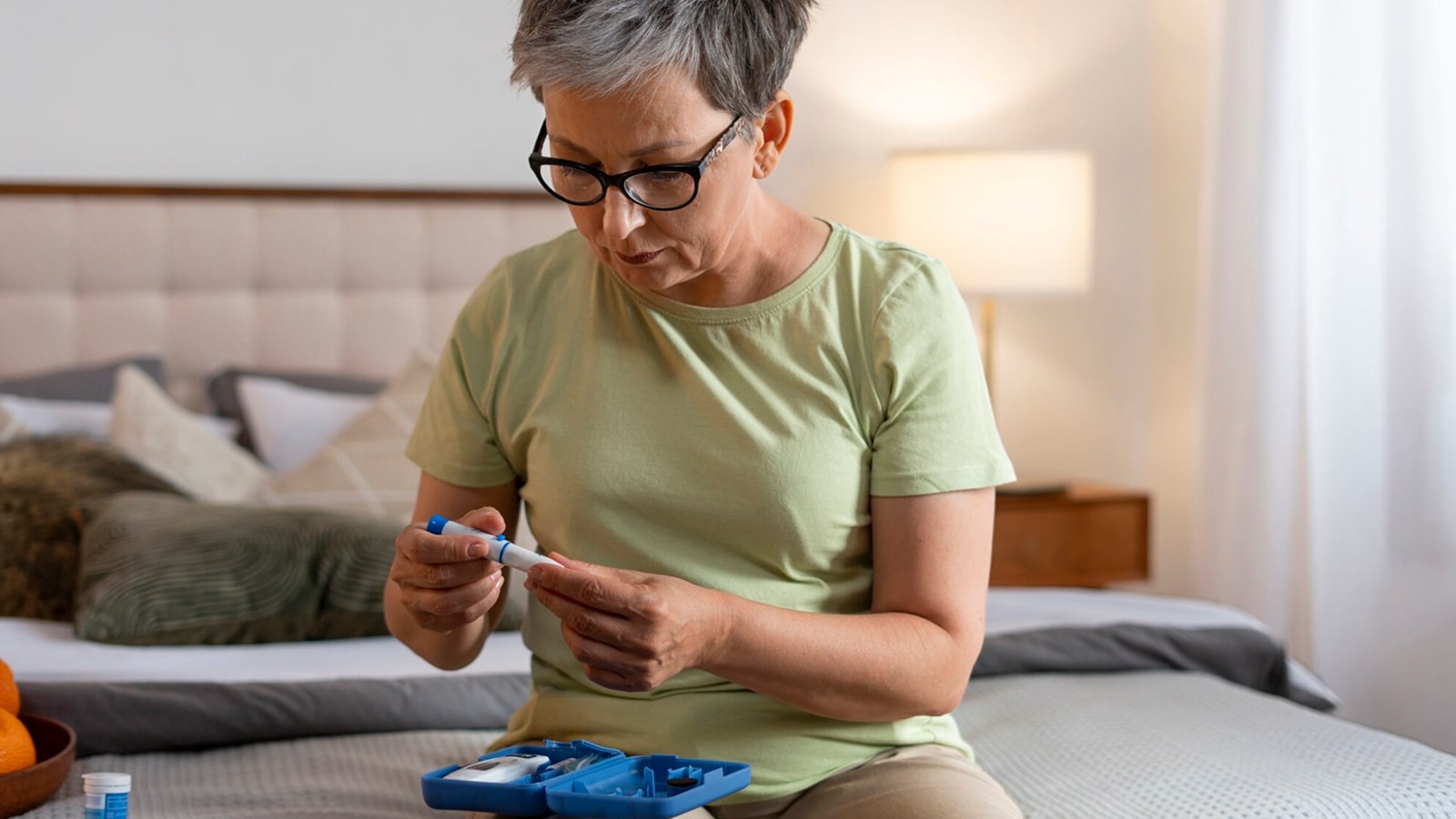
Managing diabetes involves a lot of decisions throughout the day, and making good ones is a lot easier when you have the right information in front of you. Continuous glucose monitors have genuinely changed what's possible for people with diabetes, not because they're complicated, but because they make your glucose data visible and actionable in ways that a fingerstick test simply can't match. If you've been curious about whether a CGM might make a difference for you, here are five benefits that are worth knowing about.
5 Ways a CGM Can Change How You Manage Diabetes
The CDC describes CGMs as devices that monitor glucose levels in real time, updating every one to five minutes and sending data to a smartphone or receiver so you can see patterns and trends throughout the day. Here's what that continuous visibility actually makes possible:
- Trend awareness: See whether glucose is rising, falling, or stable, not just what it is right now
- Fewer fingerstick tests: Many modern CGMs are cleared for treatment decisions without routine manual confirmation
- Reduced hypoglycemia risk: Real-time alerts can catch lows before they become emergencies
- Better time in range and A1C outcomes: Clinical research shows consistent CGM use supports improved glucose control
- Caregiver and care team connection: Share live glucose data with the people supporting your health
Seeing the Full Picture, Not Just a Single Snapshot
One of the biggest limitations of traditional fingerstick testing is that it tells you what your glucose is at a single moment in time. It doesn't tell you where it's headed. A CGM fills that gap by showing trend arrows alongside your current reading, so you can see whether your glucose is rising steadily, dropping fast, or holding steady before you make decisions about food, insulin, or activity.
That trend information matters most in situations where glucose is moving quickly. After a meal, during or after exercise, or in the middle of the night, glucose can shift significantly in a short window of time. A CGM catches those movements in real time and, on most devices, sends customizable alerts when glucose is approaching a high or low threshold. That early warning gives you time to act before a situation becomes serious.
For people who experience hypoglycemia unawareness (when the usual physical symptoms of low blood sugar are difficult to detect), CGM alerts offer an important layer of protection. A review published in PubMed Central found that CGM use can be a particularly valuable tool for preventing hypoglycemic events, including nocturnal hypoglycemia that might otherwise go undetected during sleep. If overnight lows are a concern for you or someone you care for, this is one of the most meaningful benefits CGM offers.
Improved Outcomes and the People Who Can Support Them
The research on CGM and long-term glucose outcomes is consistent and encouraging. A secondary analysis of the DIAMOND trial, published in PubMed Central, found that people with type 1 diabetes who used a real-time CGM spent an average of 77 additional minutes per day within their target glucose range compared to those using standard fingerstick monitoring, alongside a meaningful reduction in A1C. Those aren't just numbers on a chart. More time in range is associated with a lower risk of serious diabetes-related complications over time.
The American Diabetes Association defines time in range as the percentage of the day your glucose stays between 70 and 180 mg/dL. For most people, the target is at least 70 percent of readings, roughly 17 out of every 24 hours. A CGM makes that metric visible in a way that A1C alone cannot, since A1C reflects a three-month average that can mask the daily highs and lows happening underneath it.
Another benefit that often surprises new CGM users is how much easier the data-sharing feature makes life for caregivers and family members. Both the Dexcom G7 and FreeStyle Libre 3 Plus allow real-time glucose data to be shared with designated followers through their companion apps. For a parent monitoring a child with type 1 diabetes, a spouse supporting a partner through a new diagnosis, or a care team managing a patient remotely, this kind of visibility changes the dynamic entirely. No one has to manage alone.
It's also worth noting that CGM use has shown benefits across different types of activity and lifestyle. A narrative review in PubMed Central highlighted that for people with type 2 diabetes in particular, CGM can serve as a useful tool during physical activity, helping to prevent adverse glucose events that can occur during or after exercise.
Why More People Are Choosing CGM Than Ever Before
The five benefits above aren't just conveniences. They represent a meaningful shift in what it means to manage diabetes day to day. More information leads to better decisions, better decisions lead to more time in range, and more time in range is associated with fewer complications down the road. CGM doesn't replace the work of diabetes management, but it makes that work easier, more informed, and a little less isolating.
Coverage has also improved significantly. Many private insurance plans, Medicare, and Medicaid now cover CGMs for eligible patients, which means access is no longer limited to people who can afford to pay out of pocket. At Adapt Health Diabetes, we help verify your coverage and get the right device delivered to your door. You can learn more about what we offer on our About Us page or explore resources through our Education page.
Frequently Asked Questions About CGM Benefits
Who benefits most from using a CGM?
CGMs are most commonly used by people with type 1 diabetes and people with type 2 diabetes who use insulin, but the benefits extend more broadly. Anyone who experiences frequent glucose fluctuations, has difficulty detecting low blood sugar symptoms, or wants more visibility into how food, exercise, and medication affect their glucose can benefit. Your healthcare provider can help determine whether a CGM is appropriate for your situation.
Can a CGM replace fingerstick testing entirely?
Many modern CGMs are FDA-cleared for treatment decisions, including insulin dosing, without a confirmatory fingerstick in most circumstances. That said, a blood glucose meter may still be useful when symptoms don't match the CGM reading or during periods of rapid glucose change. Talk with your care team about when manual confirmation makes sense for your specific management plan.
How quickly can I expect to notice a difference after starting a CGM?
Many users notice almost immediately that trend data changes how they respond to meals, exercise, and insulin. The longer-term benefits, like improved time in range and lower A1C, tend to become measurable over weeks and months of consistent use. It's worth giving yourself time to learn how your body responds before drawing conclusions from early readings.
Is a CGM covered by insurance?
Coverage varies by plan, but many private insurance plans, Medicare, and Medicaid now cover CGMs for eligible patients. Requirements typically include a diabetes diagnosis, insulin use, and a valid prescription from a healthcare provider. Our team at Adapt Health Diabetes can help you verify your benefits and walk you through next steps.
Which CGM should I choose?
The right device depends on your lifestyle, management goals, and whether you use an insulin pump. Options like the Dexcom G7 offer robust alert customization and pump integration, while Abbott FreeStyle Libre sensors are well-regarded for their simplicity and longer wear time. Your healthcare provider is the best starting point for that conversation, and our Learning Center has comparison guides to help you prepare.
Ready to Find Out If a CGM Is Right for You?
Adapt Health Diabetes makes it easy to get started with a CGM through your insurance. We'll help verify your coverage, connect you with the right device, and deliver everything you need straight to your door. Browse available Dexcom and Abbott FreeStyle products, or visit our Resources page to learn more.
Questions about coverage or which device fits your needs? Contact our team and we'll help you get there.
This article is for educational purposes only and does not replace professional medical advice. Always consult your healthcare provider regarding diabetes management decisions and device use.
Sources
- Centers for Disease Control and Prevention. Continuous Glucose Monitors. CDC Diabetes. Updated November 2025.
- American Diabetes Association. CGM and Time in Range. ADA.
- Aleppo G, et al. Glycemic Improvement Using Continuous Glucose Monitoring by Baseline Time in Range: Subgroup Analyses from the DIAMOND Type 1 Diabetes Study. PubMed Central. 2021.
- Moser O, et al. Continuous Glucose Monitoring and Physical Activity. PubMed Central. 2022.


