


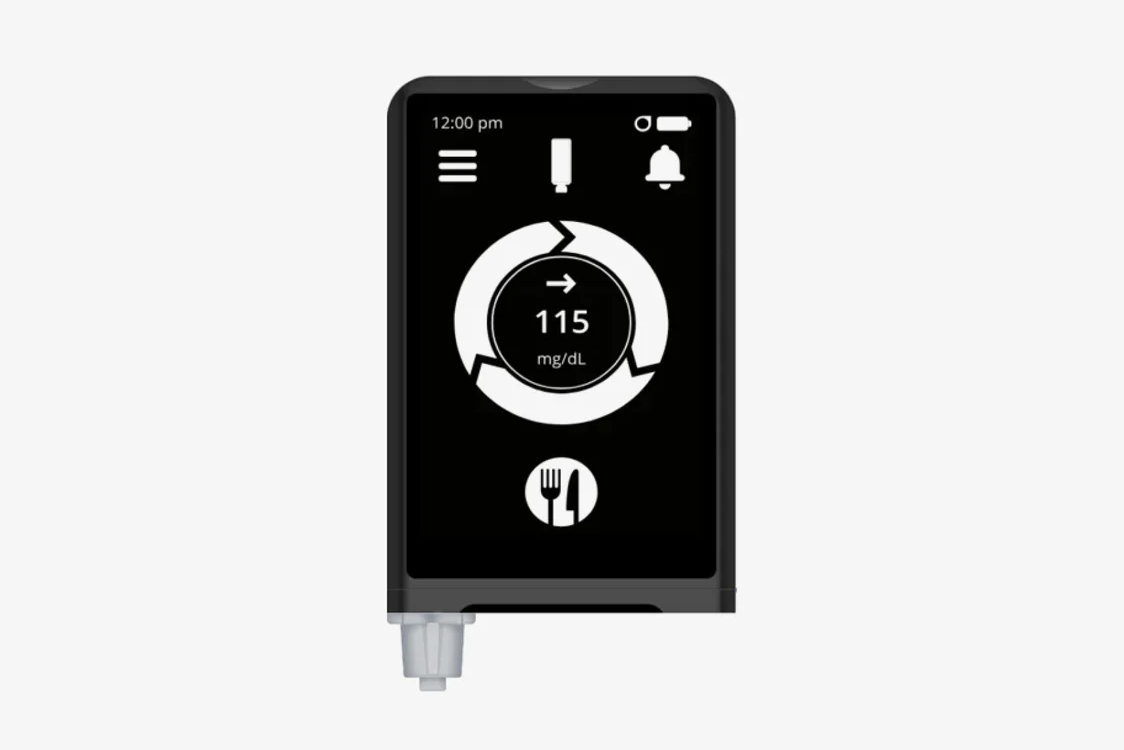
If you've been researching insulin pumps and come across the Beta Bionics iLet, you may have noticed that it gets described differently from other automated insulin delivery systems. Words like "bionic pancreas," "adaptive algorithm," and "no carb counting" tend to stand out in a category where most devices sound similar. Those descriptions are accurate, and they point to a genuinely different approach to insulin automation that is worth understanding on its own terms. This guide walks through what makes the iLet unique, what the clinical evidence shows, and who it may be the best fit for.
iLet Bionic Pancreas: What Sets It Apart
Most AID systems require users to set detailed insulin parameters before the system can function: basal rates, insulin-to-carbohydrate ratios, correction factors, and target glucose ranges. The iLet takes a fundamentally different approach. Here's what makes it stand apart:
- Initialization with body weight only: The iLet requires just the user's body weight to get started. No basal rates to program, no carb ratios to calculate, no correction factors to set.
- Adaptive learning algorithm: The system continuously adapts its insulin delivery based on each person's actual glucose responses over time, rather than relying on fixed parameters set at initiation.
- Simplified meal announcements: Users announce meals as "usual," "more than usual," or "less than usual" rather than entering carbohydrate gram counts. The algorithm handles the rest.
- No carbohydrate counting required: This is one of the most meaningful differences for daily use. The iLet is designed to manage glucose effectively without precise meal data.
- Luer lock connector: The iLet uses a standard luer lock connector rather than a proprietary one, giving users access to a wider range of compatible infusion sets.
- Approved for type 1 diabetes: The iLet is currently FDA-approved for people with type 1 diabetes ages 6 and older.
How the iLet's Algorithm Works and Why It Learns Differently
The algorithm inside the Beta Bionics iLet was developed over more than a decade of clinical research at Boston University, beginning with early versions of the bionic pancreas concept tested in inpatient and outpatient settings. The core idea is that a person's insulin needs change constantly across days, weeks, and months due to illness, stress, activity, hormonal changes, and countless other variables. A system that starts with fixed parameters and requires users to manually adjust those settings every time something changes places a significant burden on the patient. The iLet's algorithm attempts to reduce that burden by learning and adapting continuously.
When you initialize the iLet with your body weight, the algorithm uses that as a starting estimate of your insulin needs. From that point forward, it observes your actual glucose responses and adjusts its delivery patterns automatically. Over days and weeks, the algorithm builds an increasingly personalized model of how your body responds to insulin at different times of day, after different types of meals, and under different conditions. Users don't need to log into settings and manually update basal rates when their needs shift seasonally or after a change in activity level. The system recalibrates itself.
The meal announcement feature is where the iLet most clearly differs from other hybrid closed-loop systems. When you eat, you tell the system whether the meal is roughly what you'd normally eat ("usual"), larger than usual, or smaller than usual. The algorithm uses that signal to initiate a meal response and then monitors your glucose over the following hours to refine its approach. A psychosocial outcomes study published in PubMed Central found that both adults and youth using the iLet during the pivotal trial described the simplified meal process as one of the most meaningful quality-of-life improvements, reducing the daily mental burden of diabetes management without sacrificing glucose control.
It's worth being clear about what "no carb counting" means in practice. The iLet doesn't calculate a precise bolus based on exact carbohydrate grams. Instead, it delivers a meal response based on your body weight, historical insulin needs, and the "usual, more, or less" signal you provide, and then adjusts in real time based on your actual glucose response. This approach trades precision in the moment for adaptability over time. For many users, particularly those who find carb counting stressful or inconsistent, this is an appealing exchange.
What the Clinical Trials Show
The iLet has one of the most rigorously studied clinical records of any AID system currently on the market. The pivotal trial, a 13-week multicenter randomized study conducted at 16 sites across the United States, was primarily funded by the National Institute of Diabetes and Digestive and Kidney Diseases (NIDDK) and published in the New England Journal of Medicine.
According to the NIH, the trial found that the iLet reduced average A1C from 7.9% to 7.3% and significantly improved time in range compared to standard-of-care management, which included both insulin pump users and multiple daily injection users. These outcomes held across the full age range of participants (6 to 83 years old) and were accompanied by meaningful reductions in time spent in hypoglycemia.
A separate analysis published in PubMed Central examined the psychosocial outcomes from the same pivotal trial. Parents of children using the iLet described a dramatic reduction in the mental effort required for diabetes management, with one parent noting the system simply did its work without requiring constant intervention. Adults reported similar experiences of reduced burden and increased flexibility, particularly around meals and physical activity. These outcomes matter because they speak to the real-world sustainability of the technology, not just its glucose metrics in a controlled setting.
Another study published in PubMed Central evaluated the iLet in people with cystic fibrosis-related diabetes, a population with particularly complex insulin needs, and found that iLet users achieved significantly higher time in range compared to usual care, suggesting the adaptive algorithm's approach may be especially well-suited to people whose insulin needs are highly variable or difficult to predict.
Who the iLet May Be the Right Fit For
The iLet is a particularly strong option for people with type 1 diabetes who find carbohydrate counting burdensome, inconsistent, or stressful; for those who have struggled to optimize basal rates and correction factors with other systems; for newly diagnosed patients who don't yet have a well-established insulin parameter profile; and for parents and caregivers managing diabetes in children where meal sizes and composition are unpredictable. It is also worth considering for people who have tried other AID systems but found the setup and ongoing parameter management to be a barrier to staying in automated mode. The iLet's adaptive design means the system works to meet you where you are rather than requiring you to have everything dialed in from the start. At Adapt Health Diabetes, we carry the iLet along with its compatible supplies and can help verify your insurance coverage. Explore our Beta Bionics product page and visit our Learning Center for more guides on choosing the right insulin pump.
Frequently Asked Questions About the Beta Bionics iLet
Do I really never need to count carbohydrates with the iLet?
The iLet is designed to function without carbohydrate gram counts. You announce meals as "usual," "more," or "less" and the algorithm manages the insulin response from there, adapting based on your actual glucose outcome after the meal. This is a meaningful departure from every other commercially available AID system and removes one of the most cognitively demanding parts of day-to-day diabetes management. That said, some users and care teams find that better meal size awareness still contributes to better outcomes, particularly early in the adjustment period while the algorithm is learning your patterns.
How long does it take for the iLet algorithm to fully adapt to my needs?
Most users notice the algorithm adapting meaningfully within the first one to two weeks as it builds a personalized insulin delivery model based on your actual glucose responses. The adjustment period is generally smoother than with systems that require precise parameter entry upfront, since the algorithm is designed to start conservatively and learn rather than rely on accurate initial settings. Full adaptation is an ongoing process; the algorithm continues refining its delivery as your life and insulin needs change over time.
What CGMs is the iLet compatible with?
The iLet is currently compatible with the Dexcom G6 and the Senseonics Eversense CGM system. Compatibility with additional CGMs may expand over time. If you use a different CGM currently, your diabetes care team and your DME supplier can help you evaluate whether switching CGM systems alongside the iLet makes sense for your situation and coverage.
Is the iLet approved for children?
Yes. The iLet is FDA-approved for people with type 1 diabetes ages 6 and older. The pivotal clinical trial included participants from age 6 through 83, and the psychosocial outcomes data specifically noted positive experiences from parents and youth, citing reduced burden on caregivers as a particularly valued benefit of the simplified meal announcement approach.
Does insurance cover the Beta Bionics iLet?
Coverage for the iLet is available through many private insurance plans for eligible patients with type 1 diabetes. As with all insulin pump systems, prior authorization is typically required and will involve documentation of medical necessity, a valid prescription, and clinical records supporting the need for pump therapy. Medicare and Medicaid coverage terms vary and depend on meeting specific eligibility criteria. Our team at Adapt Health Diabetes can help verify your coverage before your order is placed. Visit our Resources page or contact us to get started.
Get the Beta Bionics iLet and Supplies Through Your Insurance
Adapt Health Diabetes carries the Beta Bionics iLet insulin pump, along with compatible luer lock connectors and cartridge and syringe kits. We verify your insurance coverage, coordinate with your provider, and deliver your supplies directly to your door. Browse our full Beta Bionics collection, or contact our team with any questions.
This article is for educational purposes only and does not replace professional medical advice. Always consult your healthcare provider regarding insulin pump therapy and device selection for your specific diabetes management needs.
Sources
- National Institutes of Health. Bionic Pancreas Improves Type 1 Diabetes Management Compared to Standard Insulin Delivery Methods. NIH. 2022.
- Haidar A, et al. Psychosocial Impact of the Insulin-Only iLet Bionic Pancreas for Adults, Youth, and Caregivers of Youth with Type 1 Diabetes. PubMed Central. 2023.
- Ladores S, et al. Parent, Child, and Adolescent Lived Experience Using the Insulin-Only iLet Bionic Pancreas. PubMed Central. 2024.
- Forlenza GP, et al. Randomized Trial of the Insulin-Only iLet Bionic Pancreas for the Treatment of Cystic Fibrosis-Related Diabetes. PubMed Central. 2023.


