


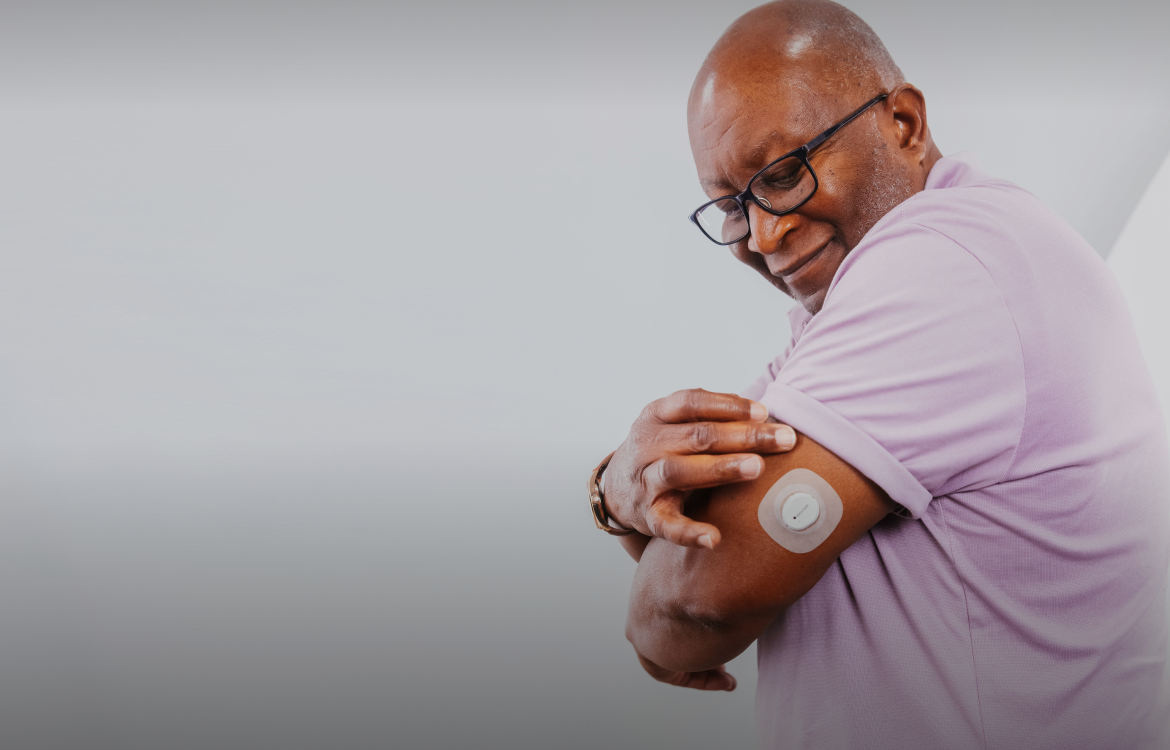
Exercise and diabetes have a complicated relationship. Physical activity is one of the most effective tools available for improving glucose control and long-term health, but it also introduces unpredictable glucose swings that can make working out feel like a risk rather than a benefit. A CGM changes that dynamic significantly. Real-time glucose data, trend arrows, and pattern recognition over time give you and your care team the information needed to exercise more safely, more consistently, and with a lot less guesswork. This guide walks through how to use your CGM before, during, and after exercise to stay safe and get more out of every workout.
What Exercise Does to Your Glucose and Why a CGM Helps
Exercise affects glucose differently depending on the type, intensity, duration, and timing relative to meals and insulin. A position statement on CGM use during exercise, published in PubMed Central and endorsed by the American Diabetes Association, describes the core challenge: physical activity introduces rapid and sometimes unpredictable glucose changes that single-point fingerstick testing is not equipped to manage safely or effectively. CGM addresses this by providing continuous visibility into the direction and speed of those changes, not just their current value.
- Aerobic exercise (moderate intensity): Tends to lower glucose by increasing insulin sensitivity and glucose uptake by working muscles. Risk of hypoglycemia during and after is significant, particularly for people on insulin.
- High-intensity or anaerobic exercise: Can initially raise glucose due to the release of stress hormones (cortisol, adrenaline) that trigger glucose production from the liver. A rise during a short, intense workout followed by a drop over the hours after is a common pattern.
- Late-onset hypoglycemia: One of the most important exercise-related risks. Glucose can drop several hours after a workout, including overnight, as muscles replenish glycogen stores. This delayed effect is one of the most difficult to anticipate without CGM data showing post-exercise trends.
- Resistance training: Tends to cause less acute glucose lowering than aerobic exercise but can still contribute to late-onset lows. The pattern is more variable and often requires individualized observation over multiple sessions.
Using Your CGM Before You Start: Setting Yourself Up for a Safe Workout
What your glucose is doing in the 15 to 30 minutes before exercise matters as much as the number on your screen. A CGM gives you both.
The EASD and ISPAD joint position statement on CGM use during exercise, published in PubMed Central, provides guidance that many diabetes care teams use as a reference for pre-exercise glucose targets. For most people with type 1 diabetes, starting aerobic exercise with glucose in roughly the 126 to 180 mg/dL range is generally considered a safer starting window than beginning at the lower end of normal range. Starting below 90 mg/dL with a falling or flat trend arrow is a signal to consume carbohydrates before beginning.
Trend arrows add critical context to any pre-exercise glucose reading. A reading of 120 mg/dL with a double downward arrow is a different situation from 120 mg/dL with a flat arrow pointing sideways. In the first case, your glucose may be below 100 by the time your warm-up ends. In the second, you're likely starting in a stable position. Using trend arrows as part of your pre-exercise decision, not just the number, is one of the most actionable ways CGM improves exercise safety over fingerstick-only monitoring.
For people using an insulin pump, timing and magnitude of basal reductions before exercise is another area where CGM data provides guidance. Research published in PubMed Central found that reducing basal rates in pump users by at least 80%, beginning at the start of exercise and lasting two hours following aerobic activity, was effective in preventing hypoglycemia during moderate-to-high-intensity exercise. The same study noted that a more modest reduction of 50 to 80% was sufficient for lower-intensity activity. Your diabetes care team can help you develop an exercise protocol tailored to your specific insulin regimen, activity type, and individual glucose response patterns.
If you use an AID system such as the Tandem t:slim X2 with Control-IQ or the Omnipod 5, your system will adjust basal delivery automatically in response to CGM readings during exercise. Most AID systems also offer an activity or exercise mode that raises the glucose target temporarily to reduce the risk of exercise-induced lows. Review your device's specific settings with your care team before your first workout with an AID system.
Monitoring During and After Your Workout: Where CGM Earns Its Keep
Checking your CGM during a workout is practical in a way that fingerstick testing simply isn't. A quick glance at a trend arrow mid-run or between sets takes seconds and tells you whether your glucose is holding steady, drifting down, or dropping quickly. That information can mean the difference between finishing a workout and needing to stop and treat a low.
A systematic review and meta-analysis published in PubMed Central concluded that integrating CGM feedback into exercise counseling helps people with diabetes plan safer and more effective activity while minimizing hypoglycemia risk. The review also noted that CGM may help reduce fear-avoidance behaviors around exercise, meaning that people who can see their glucose in real time feel more confident being physically active rather than holding back out of concern about unpredictable lows.
There are two important caveats about CGM accuracy during exercise that are worth understanding. First, the interstitial fluid lag of up to 15 minutes means that during very rapid glucose changes (like the initial drop at the start of intense aerobic activity), the CGM reading may not fully reflect blood glucose in real time. Second, high-intensity exercise can temporarily affect sensor accuracy on some devices. If a CGM reading during intense exercise seems inconsistent with how you feel, a confirmatory fingerstick is a reasonable step. The Dexcom G7 and FreeStyle Libre 3 Plus both perform well during moderate exercise, and understanding when to verify adds another layer of safety without undermining the value of continuous monitoring.
After exercise, the risk of late-onset hypoglycemia means that your CGM's role extends well beyond the workout itself. Checking your glucose trend in the two to four hours after intense or prolonged activity, and particularly before sleep following an afternoon or evening workout, helps catch the delayed drop that many people experience as muscles replenish glycogen. For people with type 1 diabetes, this post-exercise monitoring window is one of the most clinically important uses of CGM data.
Exercise Should Be Part of Your Diabetes Management, Not a Risk to Avoid
Fear of hypoglycemia is one of the most common reasons people with diabetes reduce or avoid exercise, and it's a completely understandable response to a real risk. A CGM doesn't eliminate that risk, but it makes it manageable. With trend data, alerts, and the ability to observe your own patterns over time, exercise becomes something you can approach with information rather than anxiety. The physical and psychological benefits of regular activity for people with diabetes are well established, and your CGM is one of the most practical tools available for making that activity sustainable. Explore our Education page and Learning Center for more guides on making the most of your CGM day to day.
Frequently Asked Questions About Exercise and CGM Use
What glucose level is safe to start exercising?
General guidance for most people with type 1 diabetes on insulin suggests starting aerobic exercise with glucose in the range of roughly 126 to 180 mg/dL, though your personal target may differ based on your hypoglycemia history and how well you can detect lows. Starting below 90 mg/dL, especially with a falling trend arrow, is a signal to consume fast-acting carbohydrates before beginning. Above 250 to 300 mg/dL with ketones present, exercise is generally not recommended until glucose comes down. Your diabetes care team can help you establish a pre-exercise glucose protocol specific to your insulin regimen and activity type.
Why does my glucose sometimes rise during high-intensity workouts?
High-intensity exercise, including sprinting, weight training, and interval workouts, triggers a stress hormone response that causes the liver to release stored glucose. This counterregulatory response is a normal physiological mechanism and can push glucose up during intense activity even in people who normally trend low during moderate exercise. The rise is often followed by a drop in the hours after the workout as muscles absorb glucose to restore glycogen stores. Seeing this pattern on your CGM's graph can help you and your care team anticipate and plan around it rather than being caught off guard each time.
How far in advance should I reduce my basal rate before a workout if I use an insulin pump?
For tubed pump users in manual mode, many diabetes educators suggest reducing your basal rate 60 to 90 minutes before aerobic activity to allow time for circulating insulin levels to decrease before glucose starts to drop. If you're in an AID system with an activity or exercise mode, activating that mode roughly 60 to 90 minutes before your workout serves a similar purpose by raising the glucose target and reducing automated insulin delivery proactively. The exact timing and magnitude of adjustments vary by individual and should be developed in collaboration with your care team rather than applied as a one-size-fits-all rule.
What should I eat before exercise to prevent lows?
The right pre-exercise snack depends on your current glucose, trend direction, workout duration, and insulin on board. For shorter, moderate workouts starting in a safe glucose range with minimal insulin on board, many people don't need extra carbohydrates. For longer workouts or situations where insulin on board is higher, 15 to 30 grams of fast-acting carbohydrates before starting can provide a buffer. Your CGM makes it easier to calibrate this because you can see whether your glucose is holding, rising, or falling during the pre-exercise window and adjust accordingly. Work with your care team to build a pre-exercise nutrition protocol that fits your typical workout schedule.
Why does my glucose drop several hours after I exercise, even when I felt fine immediately after?
Late-onset hypoglycemia occurs because working muscles continue drawing glucose from the bloodstream for hours after exercise to replenish depleted glycogen stores. This process can overlap with active insulin from a post-workout meal or correction dose and lead to a significant drop hours later, often during sleep. CGM is particularly valuable for catching late-onset lows because it monitors continuously through the night without requiring manual checks. If you exercise in the afternoon or evening, reviewing your overnight glucose trend the following morning can help you and your care team identify whether basal adjustments or a pre-sleep snack would reduce the risk going forward.
Get the CGM Supplies That Keep Up With Your Active Life
Consistent CGM use around exercise depends on having sensors and supplies on hand when you need them. Adapt Health Diabetes ships your Dexcom and Abbott FreeStyle CGM supplies through your insurance on a tracked schedule, so you're never running low heading into an active week. Visit our Resources page for more information, or contact our team with questions about your coverage or supplies.
This article is for educational purposes only and does not replace professional medical advice. Exercise protocols for people with diabetes should be developed in collaboration with your healthcare provider and diabetes care team, as individual responses to physical activity vary significantly.
Sources
- Moser O, et al. Glucose Management for Exercise Using Continuous Glucose Monitoring (CGM) and Intermittently Scanned CGM Systems in Type 1 Diabetes: Position Statement of EASD and ISPAD. PubMed Central. 2020.
- Riddell MC, et al. Continuous Glucose Monitoring and Exercise in Type 1 Diabetes: Past, Present and Future. PubMed Central. 2018.
- Ding X, et al. Effects of Continuous Glucose Monitoring on Physical Activity and Diet in Diabetes: A Systematic Review and Meta-Analysis. PubMed Central. 2025.


