


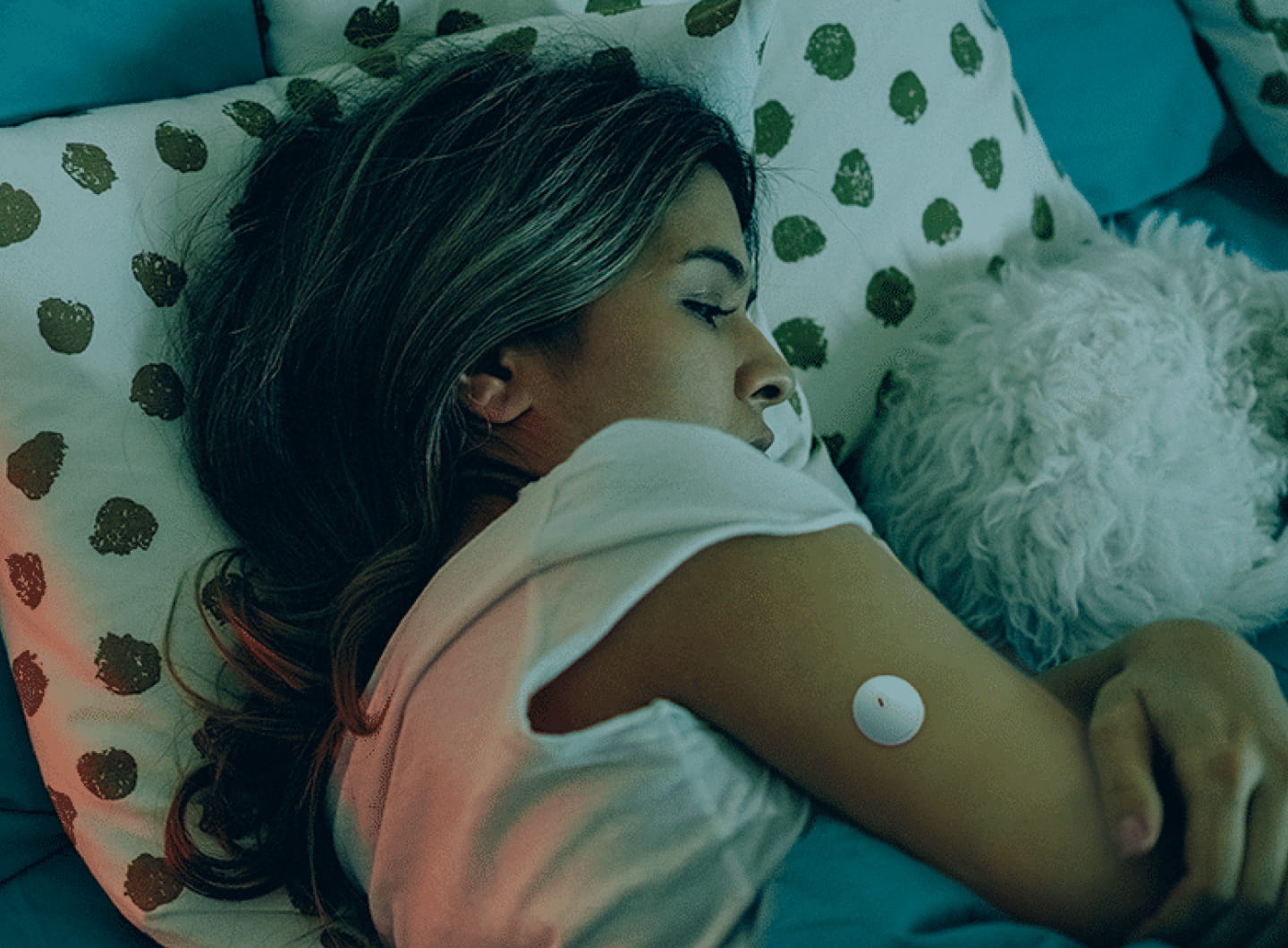
For most people with diabetes, low blood sugar comes with recognizable warning signs: shakiness, sweating, a racing heart, or a feeling of unease that signals it's time to eat something. For people with hypoglycemia unawareness, those warning signs are absent or dramatically reduced. Glucose can drop to dangerous levels with no internal alarm going off, making it one of the most serious and underrecognized complications of long-term insulin use. If you or someone you care for has been told they have hypoglycemia unawareness, or if you've been finding lows during CGM use that you never felt coming, this guide is worth reading.
What Is Hypoglycemia Unawareness and Who Is at Risk?
Hypoglycemia unawareness is the reduced or absent ability to recognize the symptoms of low blood sugar before glucose drops to a level that impairs judgment or causes loss of consciousness. According to the ADA's 2024 Standards of Care in Diabetes, young children with type 1 diabetes and older adults are particularly vulnerable, as are people with long duration of type 1 diabetes. Here's what contributes to developing unawareness:
- Repeated exposure to hypoglycemia: Each low blood sugar episode can blunt the body's hormonal response to the next one, a condition called hypoglycemia-associated autonomic failure (HAAF). Over time, the threshold at which the body triggers warning symptoms drops, or the symptoms become absent altogether.
- Long duration of type 1 diabetes: People who have managed type 1 diabetes for many years often develop diminished counterregulatory responses because of repeated hypoglycemic exposure.
- Tight glucose control: Paradoxically, people who maintain very low A1C levels through intensive insulin management are at higher risk, because they spend more time near or below normal glucose thresholds.
- Autonomic neuropathy: Nerve damage from longstanding diabetes can impair the autonomic signals that generate hypoglycemia symptoms.
- Certain medications: Beta-blockers used for cardiac conditions can mask some hypoglycemia symptoms.
The practical danger of hypoglycemia unawareness is significant. Severe hypoglycemia requiring third-party assistance, which can include loss of consciousness or seizure, is far more likely in people who cannot feel their lows coming. And because there's no internal warning, these episodes often happen during sleep, while driving, or during activities where glucose checks aren't practical.
Why CGM Is Particularly Valuable for People with Hypoglycemia Unawareness
When your own body can no longer reliably warn you that glucose is dropping, continuous monitoring provides the external alert system that fills that gap. This is one of the most clinically significant and well-documented benefits of CGM technology.
The ADA's 2024 Standards of Care states clearly that real-time CGM can provide alarms that warn individuals of falling glucose so they can intervene, and that CGM with automated low-glucose suspend and AID systems has been shown to be effective in reducing hypoglycemia in type 1 diabetes. A review published in PubMed Central found that real-time CGM reduced severe hypoglycemia significantly while also improving A1C in patients with established hypoglycemia unawareness, and that in a study of adolescents with unawareness, the epinephrine stress response to low blood sugar was restored in most subjects after just four weeks of CGM use when alert thresholds were appropriately set.
That finding about physiological recovery is worth pausing on. Hypoglycemia unawareness is not always permanent. A review published in PubMed Central on CGM use in hypoglycemia prevention explains that unawareness in type 1 diabetes is largely reversible with a period of meticulous hypoglycemia avoidance, meaning that by using CGM to catch and prevent lows before they occur, some people can gradually restore their body's ability to recognize hypoglycemia symptoms. CGM makes that avoidance possible in a way that fingerstick testing simply cannot, because it monitors continuously through the night and during activities when manual testing isn't feasible.
A PubMed Central review of CGM use in improving glycemic outcomes found that the benefit of CGM is especially pronounced in high-risk patients with frequent or severe hypoglycemia, often associated with hypoglycemia unawareness, confirming that this is the population with the most to gain from continuous monitoring.
CGM and AID Features That Are Most Useful for Hypoglycemia Unawareness
Not all CGM features are equally relevant for people with unawareness. Several specific capabilities are particularly worth knowing about and discussing with your care team.
Predictive low alerts. The most valuable feature for hypoglycemia unawareness is the ability to alert you before glucose actually reaches a dangerous level, not after. The Dexcom G7's Urgent Low Soon alert notifies you up to 20 minutes before a predicted severe low, giving you time to eat fast-acting carbohydrates before symptoms would typically appear in someone without unawareness. The Medtronic Guardian 4 sensor (used with the MiniMed 780G) offers predictive alerts up to 60 minutes in advance, one of the longest predictive windows currently available.
Overnight monitoring with audible alerts. Nocturnal hypoglycemia is among the most dangerous scenarios for people with unawareness because there is no waking stimulus to prompt a glucose check. Both the FreeStyle Libre 3 Plus and the Dexcom G7 offer real-time alerts that can wake you (or a caregiver monitoring remotely) when glucose drops below a set threshold during sleep.
Remote sharing for caregivers. For people with unawareness who live alone, remote data sharing is a meaningful safety feature. Both the Dexcom G7 (via Dexcom Follow) and the FreeStyle Libre 2 Plus and Libre 3 Plus (via LibreLinkUp) allow designated followers to receive real-time glucose data and alerts on their own devices. A family member, partner, or caregiver can be alerted to a low at night even when the person wearing the sensor hasn't woken up.
Automated insulin delivery (AID) systems. The ADA's Standards of Care specifically notes that AID systems with automated low-glucose suspend have been shown to be effective in reducing hypoglycemia. Systems like the Tandem t:slim X2 with Control-IQ, the Omnipod 5, and the Medtronic MiniMed 780G all automatically reduce or suspend basal insulin delivery when glucose is trending low, providing an active layer of protection beyond alerts alone. For people with unawareness, the combination of proactive alerts and automated insulin reduction is considerably more protective than either feature on its own.
Why Hypoglycemia Unawareness Is Worth Addressing Directly
Hypoglycemia unawareness affects a meaningful proportion of people who have been managing type 1 diabetes for many years, yet it often goes undiscussed until a severe episode makes the problem undeniable. CGM data frequently reveals asymptomatic lows that a person had no idea were occurring, sometimes multiple times per week. For those people, starting CGM is less about convenience and more about safety. Insurance coverage for CGM is now broader than it has ever been, with Medicare, most private plans, and many Medicaid programs covering CGMs for insulin-using patients. If unawareness or frequent severe lows are a part of your history, this is exactly the situation coverage was designed for. At Adapt Health Diabetes, we can help you verify your coverage and get the right CGM delivering the protection you need. Explore our Learning Center and Education page for more resources on CGM and hypoglycemia management.
Frequently Asked Questions About Hypoglycemia Unawareness and CGM
How do I know if I have hypoglycemia unawareness?
The clearest sign is consistently finding blood sugar values below 70 mg/dL, particularly on a CGM, without having felt any symptoms beforehand. If you regularly discover lows only after you've already been low for some time, or if family members or caregivers have found you hypoglycemic without your awareness, that pattern is worth discussing with your diabetes care team. Your provider can assess your history of hypoglycemia, your counterregulatory response, and whether hypoglycemia unawareness is a clinical concern for you specifically.
Can hypoglycemia unawareness be reversed?
For many people, yes. Research shows that a period of meticulous hypoglycemia avoidance, typically several weeks to months, can help restore the body's ability to generate warning symptoms. This is sometimes called hypoglycemia unawareness recovery. CGM makes this avoidance feasible because it provides the alerts that catch incoming lows before they occur, which your body can no longer do on its own. Working closely with your diabetes care team to set appropriate alert thresholds and reduce hypoglycemic exposure is the core strategy. Recovery varies by individual and is not guaranteed for everyone.
What CGM alert settings are recommended for hypoglycemia unawareness?
Alert thresholds for hypoglycemia unawareness are typically set higher than the default settings, so you receive a warning while glucose is still in a safe range rather than when it has already dropped significantly. Many diabetes educators recommend setting a low alert threshold at 80 mg/dL or higher for people with unawareness, to allow time to act before reaching a dangerous level. Predictive alerts, which forecast that glucose will reach a low threshold before it actually does, are even more valuable. Your diabetes care team can help you identify the right thresholds for your specific situation based on your typical glucose patterns and how quickly your glucose tends to drop.
Is hypoglycemia unawareness a qualifying reason for CGM coverage?
Yes. Documented problematic hypoglycemia, including history of severe lows (Level 3 hypoglycemia requiring third-party assistance) or recurrent Level 2 lows (below 54 mg/dL) that persist despite medication adjustments, is one of the pathways to CGM coverage under Medicare for patients who don't use insulin, and is also a supporting factor in medical necessity documentation for private insurance. For insulin-using patients, insulin use alone typically qualifies for CGM coverage under current Medicare rules, and problematic hypoglycemia strengthens the clinical case further. Your provider can document this history explicitly in a prior authorization or letter of medical necessity.
Should people with hypoglycemia unawareness use an AID system rather than a standalone CGM?
For people who use an insulin pump, an AID system that automatically reduces or suspends insulin delivery when glucose is dropping provides a meaningful additional layer of protection beyond alerts alone. For people on multiple daily injections who can't reduce insulin automatically, a standalone CGM with well-configured predictive alerts is still highly effective. The right approach depends on your current insulin delivery method, your clinical goals, and what your care team recommends. A conversation with your endocrinologist or diabetes educator is the best starting point for deciding whether an AID system is appropriate for your situation. Visit our Resources page for more information on available options.
Get the CGM Coverage You Qualify For Through Adapt Health Diabetes
If hypoglycemia unawareness or frequent severe lows are part of your history, a CGM is one of the most important tools available to you, and coverage has never been more accessible. Adapt Health Diabetes carries Dexcom G7 and Abbott FreeStyle Libre systems and handles insurance verification, prior authorization, and delivery directly to your door. Contact our team to get started.
This article is for educational purposes only and does not replace professional medical advice. Hypoglycemia unawareness is a serious clinical condition that should be evaluated and managed in close partnership with your healthcare provider and diabetes care team.
Sources
- American Diabetes Association. Glycemic Goals and Hypoglycemia: Standards of Care in Diabetes 2024. PubMed Central. 2024.
- Wolpert HA. Use of Continuous Glucose Monitoring in the Detection and Prevention of Hypoglycemia. PubMed Central. 2007.
- Kovatchev B, et al. Hypoglycemia Reduction and Accuracy of Continuous Glucose Monitoring. PubMed Central. 2015.
- Cengiz E and Tamborlane WV. A Tale of Two Compartments: Interstitial Versus Blood Glucose Monitoring. Continuous Glucose Monitoring: A Review of Recent Studies Demonstrating Improved Glycemic Outcomes. PubMed Central. 2017.


