


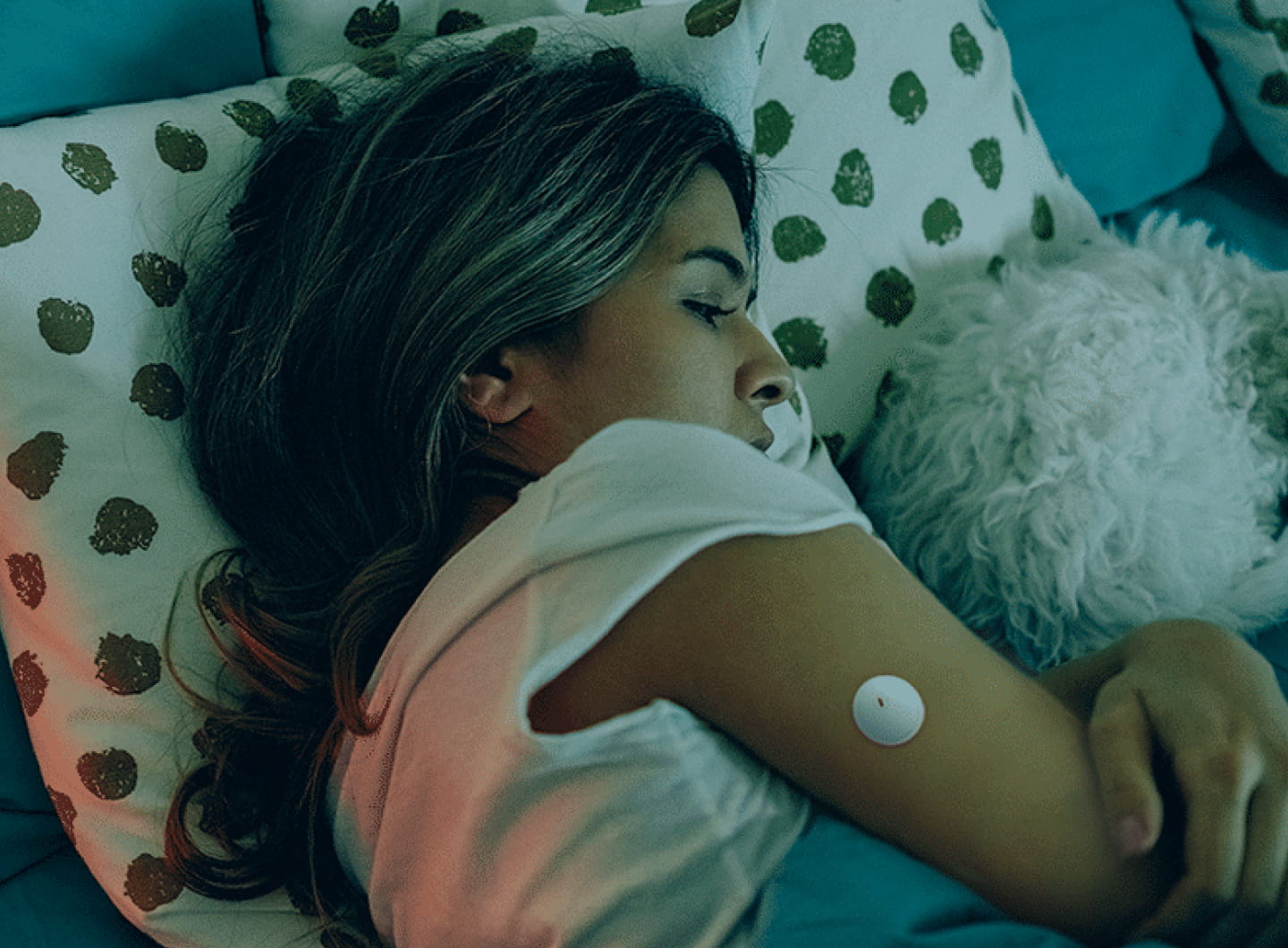
Everyone gets sick now and then, but when you have diabetes, a common cold, the flu, or a stomach bug requires a little extra planning. Illness can push your blood sugar in unexpected directions and, if not managed, can lead to more serious complications. The good news is that with a sick-day plan prepared in advance, you can handle most illnesses at home safely and confidently. This guide covers the essentials of sick-day management, what to keep on hand, and when to seek help.
Sick-Day Rules at a Glance
According to the CDC, when your body releases hormones to fight an illness, those hormones can also raise your blood sugar, and if you take insulin, being sick may change how much you need. Here are the core sick-day rules:
- Keep taking your insulin and diabetes medicines. Continue them as directed, even if you're not eating normally (never stop without provider guidance)
- Check blood sugar more often. The CDC recommends testing every 4 hours and keeping track of results (more frequently if you use a CGM)
- Check for ketones. Test when you're sick or when blood sugar is elevated, per your care team's guidance
- Stay hydrated. Drink plenty of water to prevent dehydration
- Keep eating carbs if you can't eat normally. Aim for easy-to-digest carbohydrates and fluids
- Monitor your weight and temperature. Unexplained weight loss can signal high blood sugar, and fever can signal infection
The American Diabetes Association emphasizes that the best approach is to decide on a sick-day action plan with your care team before you get sick, so you know exactly what to do when the time comes.
Why Being Sick Affects Your Blood Sugar
Understanding why illness throws off your glucose helps the sick-day rules make sense, and explains why some of them feel counterintuitive.
When you get sick, the American Diabetes Association explains that the illness and the stress it causes prompt your body to release hormones that raise blood glucose, making it harder to stay in your target range. This is why blood sugar often runs high during illness even when you're eating less than usual. The ADA also notes that while having diabetes doesn't make you more likely to catch a cold or flu, it does raise your chances of getting seriously sick, which is part of why careful management during illness matters.
This hormonal response is also why one of the most important sick-day rules can feel counterintuitive: continue taking your insulin even when you're not eating much. The CDC explains that if your body doesn't have enough insulin, it starts breaking down fat for fuel, producing ketones that can build up to dangerous levels and lead to diabetic ketoacidosis (DKA). The ADA's 2026 Standards of Care, published in PubMed Central, is explicit that people on intensive insulin therapy should not stop or hold their basal insulin even if they're not eating, and that clinicians should provide detailed instructions on adjusting insulin during illness. Your insulin needs may actually rise during illness, not fall, so work with your care team rather than stopping insulin on your own.
Here's what to do when you're sick:
- Monitor closely. Check blood sugar every 4 hours (or monitor frequently on your CGM) and check ketones per your plan. Research published in PubMed Central found that blood ketone testing, compared with urine testing, reduced the risk of hospitalization or emergency room visits by roughly 50%.
- Stay hydrated. Drink plenty of water. The ADA suggests that if you're having trouble keeping fluids down, take small sips or ice chips every 15 minutes throughout the day.
- Keep your carbs up if you can't eat normally. The CDC suggests that if you can't eat meals, aim for about 50 grams of carbohydrate every 4 hours, using easy options like unsweetened applesauce or fruit juice.
- Prevent lows if you're at risk. The ADA notes that having simple carbs handy like regular soda, gelatin, or popsicles helps keep blood sugar up if you're at risk for lows and struggling to eat. If you drop below your target range, follow the 15-15 rule (15 grams of fast-acting carbs, recheck in 15 minutes).
Building a Sick-Day Kit and Knowing When to Call for Help
Preparation is what makes sick-day management manageable. Having a kit ready before you get sick means you're not scrambling to gather supplies when you're already feeling awful.
Build a sick-day kit. Based on the ADA's sick-day guidance, a good kit includes: blood glucose testing supplies and backup batteries; a supply of your diabetes medications (rotated so they don't expire), including insulin and pump or pen supplies if you use them; glucose tablets or gel; glucagon if prescribed; doctor-approved over-the-counter medications; ketone test strips; fluids to stay hydrated; and a thermometer. The CDC recommends keeping enough insulin, medicines, and easy-to-make foods on hand for several weeks. Keeping these items together and checking periodically that nothing has expired means you're ready whenever illness strikes. If you use a pump, keeping backup supplies is especially important, and our Learning Center has more on pump supplies and troubleshooting.
Have a written plan. The ADA recommends deciding on an action plan with your care team ahead of time, covering when to call your doctor, how often to check blood glucose, what foods and fluids to use, when to check for ketones, which over-the-counter medicines are safe for you, and how to adjust your insulin or medication if needed. Having this written down removes guesswork when you're not feeling clear-headed.
Know when to seek help. This is the most important part. The CDC advises going to the emergency room right away if any of the following occur:
- You're having trouble breathing
- You have ketones in your urine (or elevated blood ketones)
- You can't keep any liquids down for more than 4 hours, or can't keep food down for more than 24 hours
- You lose 5 pounds or more during the illness
- Your blood sugar is lower than 60 mg/dL
- You have vomiting and/or severe diarrhea for more than 6 hours
- Your temperature is over 101 degrees Fahrenheit for 24 hours
The ADA adds that you should contact your doctor if you're vomiting or have diarrhea more than three times in 24 hours, or have a fever over 101 degrees for 24 hours. When in doubt, it's always appropriate to call your care team for guidance. Being sick and having abnormal blood sugar can make it hard to think clearly, so don't hesitate to reach out or ask someone to help you.
Why a Sick-Day Plan Is Worth Preparing in Advance
Illness is one of the most common triggers for serious diabetes complications like DKA, but the vast majority of sick days can be managed safely at home with the right preparation. A sick-day plan and kit prepared in advance, when you're feeling well and thinking clearly, means you won't have to figure things out in the moment when you're feeling your worst. Continuing your insulin, monitoring closely, staying hydrated, and knowing your warning signs are what keep a routine illness from becoming an emergency. Take the time now to build your kit and create a plan with your care team, so you're ready whenever you need it. At Adapt Health Diabetes, we help you keep your monitoring and testing supplies stocked so your sick-day kit is always ready. Visit our Education page for more on staying prepared.
Frequently Asked Questions About Sick-Day Management
Should I stop taking insulin if I'm too sick to eat?
No. This is one of the most important sick-day rules: continue taking your insulin even when you're not eating normally. When you're ill, stress hormones raise your blood sugar, and your insulin needs often increase rather than decrease. If you stop insulin, your body may start breaking down fat and producing ketones, which can lead to DKA. Instead of stopping, monitor closely and follow your care team's sick-day plan, which may actually involve adjusting your dose. Never stop or hold your insulin without specific guidance from your healthcare provider. If you can't keep food down, focus on getting carbohydrates through fluids.
How often should I check my blood sugar and ketones when sick?
The CDC recommends checking your blood sugar every 4 hours when you're sick and keeping track of the results (or monitoring frequently if you use a CGM). For ketones, the ADA recommends testing every 4 to 6 hours when you're feeling sick, though your care team may give you specific thresholds based on your blood sugar levels. Many people are advised to check ketones when blood sugar is above 240 mg/dL or when they have symptoms. Blood ketone testing is more accurate and detects problems earlier than urine testing. Your written sick-day plan should specify your personal monitoring schedule.
What should I eat and drink when I'm sick and can't eat normally?
Staying hydrated is the top priority. Drink plenty of water, and if you're having trouble keeping fluids down, take small sips or ice chips every 15 minutes throughout the day. For carbohydrates, the CDC suggests aiming for about 50 grams every 4 hours if you can't eat meals, using easy-to-digest options like unsweetened applesauce or fruit juice. If your blood sugar is running low and you're struggling to eat, simple carbs like regular soda, gelatin, or popsicles can help keep it up. If you're managing vomiting or diarrhea, sugar-free fluids help with hydration while you monitor your glucose. Your care team can help you build a sick-day food and fluid plan.
When should I go to the emergency room?
The CDC advises seeking emergency care right away if you're having trouble breathing, have ketones present, can't keep liquids down for more than 4 hours or food down for more than 24 hours, lose 5 or more pounds during the illness, have blood sugar below 60 mg/dL, have vomiting or severe diarrhea for more than 6 hours, or have a fever over 101 degrees Fahrenheit for 24 hours. These are signs that the situation may be beyond what you can safely manage at home. When in doubt, call your care team or seek care, because illness combined with abnormal blood sugar can escalate quickly and can impair your thinking.
Do I need a sick-day plan even if I have type 2 diabetes and don't use insulin?
Yes. While the risk of DKA is highest for people using insulin, illness affects blood sugar for everyone with diabetes, and having a plan helps you manage safely regardless of your treatment. Your sick-day plan might look different, focusing more on monitoring, hydration, and knowing which of your medications to continue or temporarily adjust during illness. Some diabetes and other medications may need to be temporarily paused during certain illnesses (for example, some medications during dehydration), so it's worth discussing this with your care team in advance. Everyone with diabetes benefits from knowing their warning signs and when to seek help.
Keep Your Sick-Day Kit Stocked With Adapt Health Diabetes
A ready sick-day kit starts with reliable access to your monitoring supplies. Adapt Health Diabetes delivers Dexcom and Abbott FreeStyle Libre CGM supplies through your insurance on a reliable schedule, so you're always prepared. Visit our Resources page for more information, or contact our team with questions about your supplies.
This article is for educational purposes only and does not replace professional medical advice. Always develop a personalized sick-day plan with your healthcare provider, and seek emergency care for the warning signs described above. Never adjust or stop your insulin or medications without guidance from your care team.
Sources
- Centers for Disease Control and Prevention. Managing Sick Days. CDC Diabetes.
- American Diabetes Association. Diabetes and Planning for Sick Days. ADA.
- American Diabetes Association. Glycemic Goals, Hypoglycemia, and Hyperglycemic Crises: Standards of Care in Diabetes 2026. PubMed Central. 2026.
- Auchterlonie A and Okosieme OE. Preventing Diabetic Ketoacidosis: Do Patients Adhere to Sick-Day Rules? PubMed Central. 2018.


