


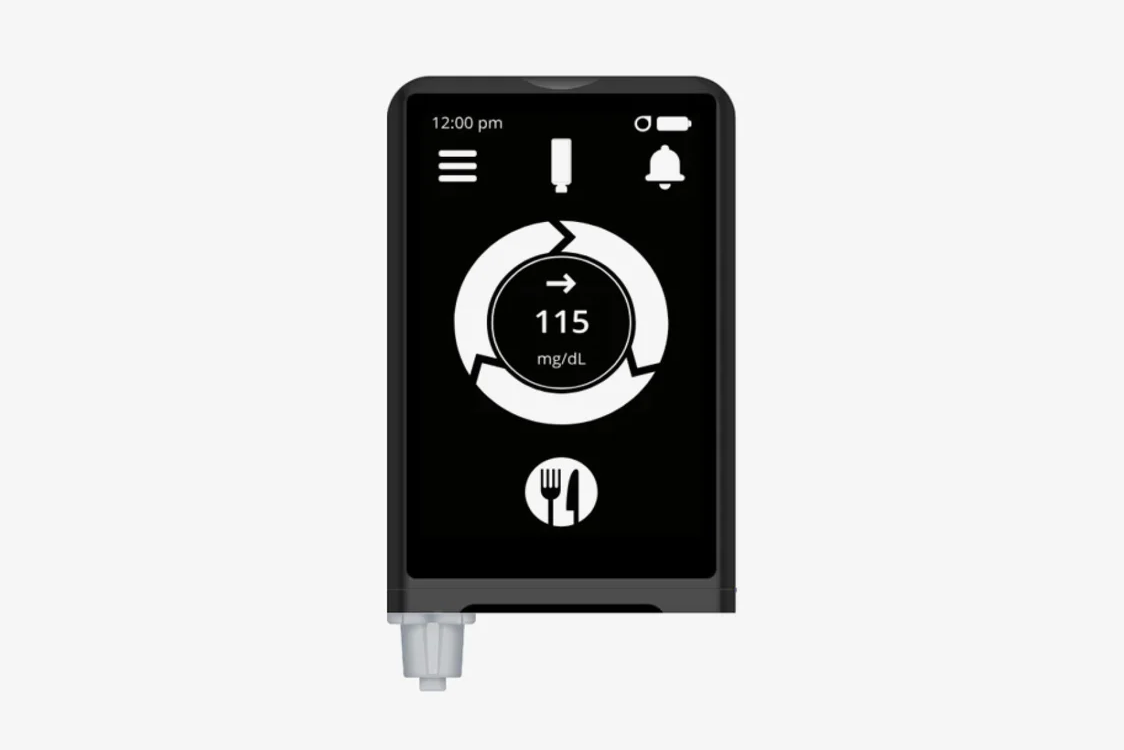
If you've recently been told that an insulin pump might be a good option for managing your diabetes, it's completely normal to have questions. Pumps look more complex than a syringe or pen, and the terminology around basal rates, bolus doses, and infusion sets can feel like a lot to take in at once. The good news is that once you understand the basic idea behind how a pump works, the rest starts to fall into place. This guide covers what an insulin pump actually is, how the two main types differ, and what it means to use one in everyday life.
Insulin Pump Basics: What You Need to Know at a Glance
According to the American Diabetes Association, an insulin pump is a small computerized device that delivers insulin in two ways: a steady, continuous background dose called basal insulin, and on-demand doses at mealtimes or for corrections called bolus insulin. This delivery pattern is designed to mimic how a healthy pancreas naturally releases insulin throughout the day.
- Basal insulin: A continuous low-level dose delivered 24 hours a day to cover background insulin needs
- Bolus insulin: A larger dose you program at mealtimes or to bring down a high glucose reading
- Infusion set: The tubing and small cannula that connects a traditional pump to your body, changed every 2 to 3 days
- Reservoir or cartridge: The chamber inside or attached to the pump that holds the insulin supply
- CGM integration: Many modern pumps communicate with a CGM to automatically adjust insulin delivery based on real-time glucose readings
All current insulin pumps use rapid-acting insulin only. The pump handles both basal and bolus delivery from a single insulin supply, which is one reason many people find it more flexible than multiple daily injections.
Tubed Pumps vs. Tubeless (Patch) Pumps: What's the Difference?
There are two main styles of insulin pump, and the difference between them comes down to how the device attaches to your body. Both deliver insulin the same way, but the physical experience of wearing them is meaningfully different.
Traditional tubed pumps consist of a small device (about the size of a pager) that you carry in a pocket, clip to a waistband, or tuck into clothing. Insulin travels from the pump through a thin flexible tube to a cannula inserted just under the skin. The cannula and tubing, together called an infusion set, are changed every two to three days. Tubed pumps generally offer more infusion set variety, which can be helpful for people with skin sensitivities or higher basal needs. They can also be disconnected temporarily for activities like swimming or contact sports.
Options available through Adapt Health Diabetes include the Tandem, the Tandem Mobi with Control-IQ, and the Medtronic MiniMed 780G. Each of these integrates with a compatible CGM for automated insulin delivery.
Tubeless patch pumps are worn directly on the skin with no external tubing. The entire insulin reservoir and delivery mechanism sits in a small pod adhered to your body, controlled wirelessly from a smartphone app or handheld device. This makes them especially appealing for active lifestyles, younger users, and anyone who finds tubing cumbersome. The tradeoff is that the pod cannot be temporarily removed, so planning around activities like water sports requires a bit more awareness.
The Omnipod 5 is the tubeless option available through Adapt Health Diabetes. It integrates with compatible CGMs for automated insulin delivery and is approved for people with type 1 diabetes ages 2 and older, as well as adults with type 2 diabetes. The Omnipod DASH is a non-automated option for anyone with insulin-requiring diabetes who prefers a simpler tubeless delivery system without CGM integration.
What Automated Insulin Delivery (AID) Systems Actually Do
The most significant advancement in insulin pump technology in recent years is automated insulin delivery, sometimes called a hybrid closed-loop system or an artificial pancreas. These systems pair an insulin pump with a compatible CGM so the two devices can communicate and work together in real time.
Here's how it works in practice: the CGM continuously reads glucose levels and sends that data to the pump. The pump's algorithm uses those readings to automatically increase, decrease, or pause basal insulin delivery, without you needing to make those adjustments manually. If glucose is trending up, the system delivers more insulin. If it's trending low, it pulls back. This happens every few minutes, around the clock.
Bolus doses for meals still require manual input from the user in most current systems. This is why these devices are called "hybrid" closed-loop systems rather than fully automated. The Beta Bionics iLet takes automation a step further, using a bionic approach that reduces the need to input carbohydrate counts and makes more dosing decisions automatically, though it is currently approved for people with type 1 diabetes only.
According to the American Association of Diabetes Care and Education Specialists (ADCES), the threshold for successful pump use has lowered as AID systems have become more intuitive. Many patients who previously felt pump therapy wasn't right for them are finding that the added automation of modern systems reduces the burden rather than adding to it.
It's still important to note that consistent blood glucose monitoring and an understanding of how insulin affects your body remain essential regardless of the level of automation. Pumps are powerful tools, but they work best when used alongside an informed and engaged care approach.
Why an Insulin Pump Might Be Worth Considering
For many people, making the switch to pump therapy represents a real improvement in daily quality of life. Fewer individual injections, more flexible meal timing, smoother overnight glucose control, and the ability to make fine-tuned basal adjustments around exercise or travel are all practical benefits that are difficult to replicate with multiple daily injections alone. Combined with a CGM, modern pump systems give you and your care team a level of visibility and control that simply wasn't available a decade ago. At Adapt Health Diabetes, we carry a range of pump systems and accessories to help you find what fits. Visit our Education page or Learning Center for more resources on insulin pump therapy.
Frequently Asked Questions About Insulin Pumps
Who is a good candidate for an insulin pump?
Insulin pumps are most commonly used by people with type 1 diabetes, but they are also approved and covered for many people with type 2 diabetes who use insulin. Good candidates are generally people who want more flexibility in their insulin delivery, have difficulty achieving glucose targets with injections, or experience significant overnight glucose variability. Your healthcare provider and diabetes care team are the right starting point for evaluating whether a pump is appropriate for your situation.
Does switching to a pump mean I no longer need to monitor my glucose?
Monitoring remains important even with a pump. Many modern pumps integrate directly with a CGM for automated delivery, which means your CGM data becomes even more central to your management. For non-integrated pump users, regular blood glucose checks are still necessary to confirm that the pump is working correctly and that insulin delivery is on track. A pump that malfunctions or has an infusion site issue can cause glucose to rise quickly, so staying aware of your levels is always part of the picture.
How often do I need to change the infusion set or pod?
Traditional pump infusion sets are generally changed every two to three days. Tubeless pods vary by system. The Omnipod 5, for example, is worn for up to 72 hours before a new pod is applied. Your pump's manufacturer guidelines will specify the recommended change schedule, and your diabetes care team can help you establish a rotation routine that reduces site issues over time.
Can I shower, swim, or exercise with an insulin pump?
Most modern pumps are water-resistant or waterproof to varying degrees. Tubed pumps can typically be disconnected briefly for activities like swimming, while tubeless systems like the Omnipod are fully waterproof for wear during water activities. Exercise generally requires attention to basal rates and timing of boluses. Your care team can help you build a strategy for staying active while keeping glucose stable.
Does insurance cover insulin pumps?
Most private insurance plans, Medicare, and many state Medicaid programs cover insulin pumps for eligible patients. Coverage typically requires a diabetes diagnosis, insulin use, and documentation of medical necessity from your provider. Prior authorization is common for pump approvals. Our team at Adapt Health Diabetes can help verify your coverage and walk you through what's needed to get started.
Find the Right Insulin Pump for Your Needs
Adapt Health Diabetes carries a full range of insulin pumps, infusion sets, cartridges, and pods from leading brands including Tandem Diabetes, Medtronic MiniMed, and Omnipod. We verify your insurance coverage, coordinate with your provider, and deliver your supplies directly to your door. Visit our Resources page for more information, or contact our team to get started.
This article is for educational purposes only and does not replace professional medical advice. Always consult your healthcare provider regarding diabetes management decisions and device selection.
Sources
- American Diabetes Association. Insulin Pumps: Relief and Choice. ADA.
- American Diabetes Association. Insulin Pumps Consumer Guide. ADA Consumer Guide.
- American Association of Diabetes Care and Education Specialists. Choosing the Best Insulin Pump. danatech by ADCES.


