


When you're first learning to monitor your blood sugar, it can feel like everyone is talking about two different things at once: fingerstick meters and CGMs. Both measure glucose. Both play a role in diabetes management. But they work very differently, serve different purposes, and aren't interchangeable for every situation. If you've been wondering which one is right for you, or whether you might actually need both, this guide breaks down exactly what each device does and how to think about choosing.
CGM vs. Blood Glucose Meter: A Quick Side-by-Side
The American Diabetes Association describes these as the two main tools for glucose monitoring, each with distinct strengths. Here's a plain-language comparison before diving into the details:
- Blood glucose meter (BGM): Measures glucose directly from a drop of blood via a fingerstick. Gives you one reading at one moment in time. No trend information. Requires multiple manual tests per day.
- Continuous glucose monitor (CGM): Measures glucose from interstitial fluid (fluid between cells just under the skin) via a small wearable sensor. Updates automatically every one to five minutes. Displays trend arrows, time in range, and customizable alerts. Reduces or eliminates routine fingerstick tests for many users.
The simplest way to frame the difference: a blood glucose meter gives you a photograph of your glucose at a specific moment, while a CGM gives you a video of your glucose over time, including where it's been, where it is now, and where it appears to be heading.
When a Blood Glucose Meter Is the Right Tool
Blood glucose meters have been part of diabetes management for decades, and they remain genuinely useful in several situations. Understanding when a meter is the better tool helps you use your devices more confidently rather than second-guessing which one to reach for.
A fingerstick meter measures blood glucose directly, which makes it the most accurate single-point reading available at home. According to the ADA, blood glucose meters remain an important backup and confirmation tool even for CGM users. A meter is most useful when:
- Your CGM reading doesn't match how you feel and you need a reliable confirmation
- Your CGM sensor has failed, detached, or is in its warm-up period
- You're experiencing a suspected severe low and want direct blood confirmation before treating
- Your CGM requires periodic calibration and needs a reference blood glucose value
The tradeoff with meter-only monitoring is that you're working with snapshots. Glucose changes constantly throughout the day and night, and even four to eight daily checks leave large gaps in visibility. You'll catch the values at the moments you test, but not the lows that happen between meals or the spikes that occur overnight.
What a CGM Makes Possible That a Meter Cannot
The defining advantage of a CGM is continuous visibility, and that changes how you can respond to your glucose in real time. According to the CDC, CGMs update every few minutes and show whether glucose is rising, falling, or holding steady through trend arrows displayed alongside each reading.
A research review published by the ADA found that people with both type 1 and type 2 diabetes who use CGMs have fewer hypoglycemic events and lower A1C levels compared to those using meter-only monitoring. Much of that improvement comes from the ability to act on trends before glucose actually reaches a dangerous level, rather than discovering a problem only after it has already happened.
Other meaningful advantages of CGM over a blood glucose meter include:
- Overnight monitoring: A meter can't alert you while you sleep. A CGM can send an alarm if glucose drops or climbs to an unsafe level during the night.
- Exercise awareness: Glucose can shift dramatically during and after physical activity. Trend arrows on a CGM let you see those changes as they happen so you can respond accordingly.
- Pattern recognition: With hundreds of readings per day, CGM data reveals patterns (post-meal spikes, overnight lows, stress responses) that would be invisible with a few daily fingersticks.
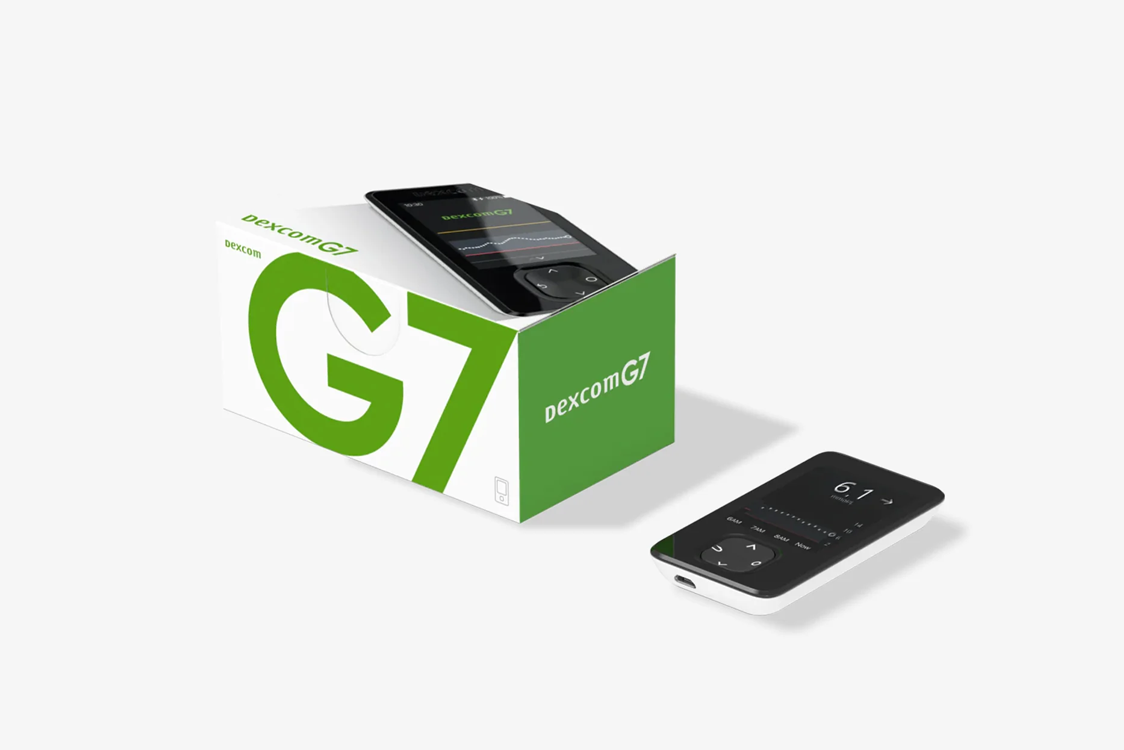
- Data sharing: Both the Dexcom G7 and FreeStyle Libre 3 allow real-time data sharing with caregivers and healthcare providers. A blood glucose meter has no equivalent feature.
One important note about CGM readings: because CGMs measure glucose in interstitial fluid rather than directly from blood, there is a natural lag of approximately 5 to 15 minutes during rapid glucose changes. According to the ADCES CGM Glossary, this lag is a normal feature of the technology, not an accuracy flaw. Most modern CGMs are FDA-cleared for treatment decisions without confirmatory fingersticks, and the lag is typically only relevant during very fast glucose movements.
Do You Need One or Both?
For most people managing diabetes with insulin, a CGM is the more powerful day-to-day tool. The continuous visibility, trend data, and alerts it provides are difficult to replicate with any number of fingerstick tests. A blood glucose meter still has value as a backup confirmation tool, particularly when a CGM reading seems inconsistent with symptoms. Many people using a CGM keep a meter on hand but find they use it only occasionally. For people managing diabetes without insulin, or those who primarily need spot-checks, a blood glucose meter may be sufficient, and your healthcare provider can help you decide what level of monitoring makes sense for your treatment plan. If you're ready to explore CGM options, our Learning Center has guides for every major device we carry.
Frequently Asked Questions About CGMs vs. Blood Glucose Meters
Can a CGM completely replace my blood glucose meter?
For many users, a CGM significantly reduces or eliminates the need for routine fingerstick testing, as most modern CGMs are FDA-cleared for treatment decisions without confirmatory checks. However, keeping a blood glucose meter available as a backup is generally recommended. It's the right tool to reach for when your CGM sensor fails, is in its warm-up period, or gives a reading that doesn't match how you feel.
Is a CGM more accurate than a blood glucose meter?
These devices measure glucose from different sources (interstitial fluid vs. blood), so direct accuracy comparisons require some nuance. During stable glucose levels, modern CGMs closely match blood glucose meter readings. During rapid changes, like after eating or during exercise, there is a natural lag in CGM readings of up to 15 minutes. For a single point-in-time measurement at a stable glucose level, a blood glucose meter may be slightly more precise. For overall glucose management, the continuous data provided by a CGM offers far more clinical value than isolated readings.
Who should consider switching from a meter to a CGM?
The ADA recommends CGM for all people with type 1 diabetes and for those with type 2 diabetes on insulin therapy. It may also be appropriate for people who test their blood glucose frequently, have difficulty detecting low blood sugar symptoms, or have not reached their glucose targets with meter-only monitoring. Your provider can help determine whether a CGM is clinically appropriate for your situation and assist with getting coverage approved.
What's the cost difference between a CGM and a blood glucose meter?
Blood glucose meters tend to have lower upfront costs, though test strips can add up quickly with frequent daily testing. CGMs carry higher ongoing supply costs for sensors, but most private insurance, Medicare, and many Medicaid plans cover CGMs for eligible patients, often making out-of-pocket costs comparable or lower than meter supplies depending on testing frequency. If cost is a concern, our team can help you review your coverage before committing to a device.
Can I use a CGM if I have type 2 diabetes and don't use insulin?
Possibly. The ADA's 2025 Standards of Care now support CGM use for people with type 2 diabetes on insulin and other glucose-lowering agents. Coverage for non-insulin users varies by insurance plan. CGMs can still offer valuable insights into how food, exercise, and medication affect glucose even for people not on insulin. Talk with your provider about whether CGM monitoring would benefit your management plan.
Explore CGM Options Available Through Your Insurance
Adapt Health Diabetes carries a full selection of CGM sensors, readers, and transmitters from Dexcom and Abbott FreeStyle. We verify your insurance coverage and handle the ordering process so getting started is as simple as possible. Visit our Resources page for more support, or contact our team with any questions.
This article is for educational purposes only and does not replace professional medical advice. Always consult your healthcare provider regarding diabetes management decisions and device selection.
Sources
- American Diabetes Association. Blood Glucose Meters Can Play an Important Role in Diabetes Care. ADA.
- American Diabetes Association. Continuous Glucose Monitoring: Benefits, Accessibility and How It Works. ADA.
- Centers for Disease Control and Prevention. Continuous Glucose Monitors. CDC Diabetes. Updated November 2025.
- American Association of Diabetes Care and Education Specialists. CGM Glossary. danatech by ADCES.


