


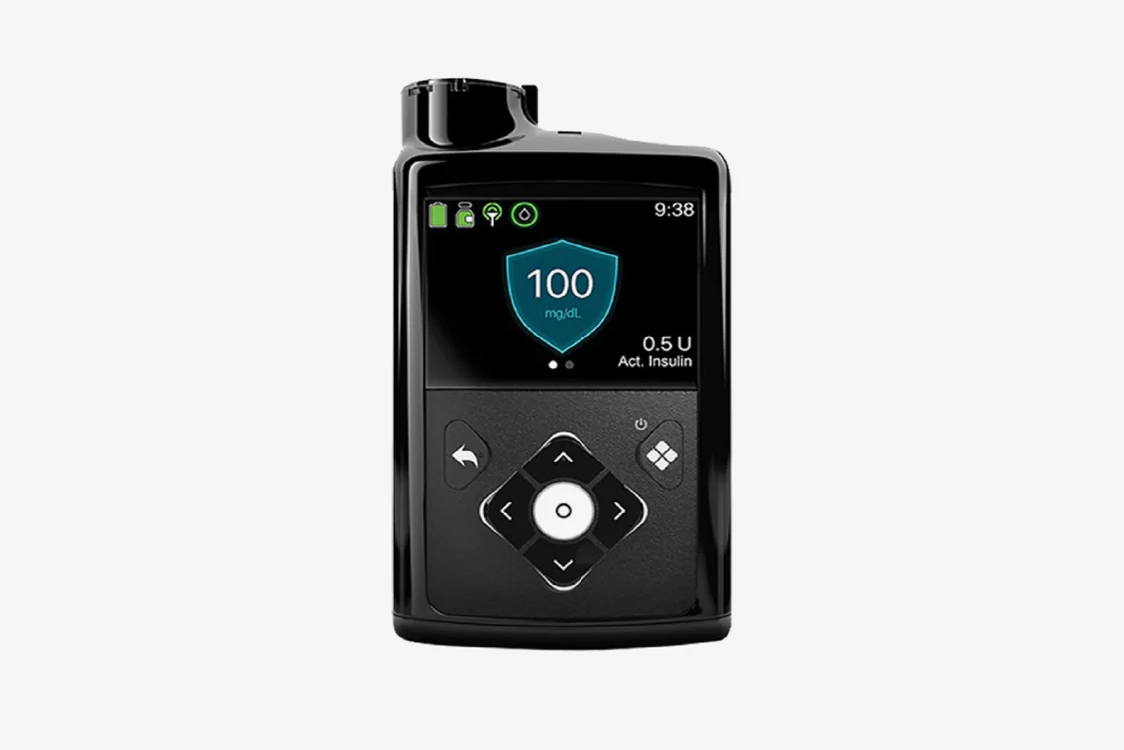
If you're on Medicare and wondering whether your insulin pump or pump supplies are covered, the answer is yes, but with conditions that are more specific than most people expect. Medicare insulin pump coverage has its own set of eligibility rules, documentation requirements, and cost-sharing structures that differ from CGM coverage and from private insurance. This guide walks through exactly what Medicare covers, what you need to qualify, and what you can expect to pay, so you're not caught off guard when it's time to order.
Medicare Insulin Pump Coverage: Key Facts at a Glance
According to the American Diabetes Association, Medicare Part B covers insulin pumps and pump supplies, including the insulin used in the pump, for beneficiaries with diabetes who meet specific eligibility requirements. Here's what that coverage includes:
- The pump itself: Covered as durable medical equipment (DME) under Part B when medical necessity is documented
- Infusion sets and supplies: Covered as part of the ongoing pump benefit, including infusion sets, cartridges, and reservoirs
- Insulin for the pump: Covered under Part B (not Part D) when used in a durable insulin pump, with a cap of $35 per month per the Inflation Reduction Act
- Ongoing follow-up: Medicare requires your treating provider to see you at least every 3 months for continued pump coverage
Coverage for the pump itself falls under Medicare Part B as DME. After meeting the Part B deductible, Medicare typically covers 80% of the approved cost, with 20% coinsurance remaining. Many Medicare Advantage plans reduce that coinsurance further, and dual Medicare and Medicaid enrollees may have additional cost-sharing support.
Who Qualifies: Medicare's Insulin Pump Eligibility Criteria
Medicare's eligibility criteria for insulin pump coverage are more specific than those for CGMs, and understanding them upfront can save significant time in the prior authorization process. According to the Centers for Medicare and Medicaid Services (CMS), to qualify for an external insulin pump under Medicare, a patient must meet one of two criteria:
Criterion A: The patient has been on multiple daily insulin injections prior to Medicare enrollment, is able to self-test blood glucose four or more times per day, and meets the insulinopenic standard, either through a fasting C-peptide level at or below 110% of the lower limit of normal for the lab's reference range, or through documented beta-cell autoantibody positivity. This is the standard pathway for most people with type 1 diabetes.
Criterion B: The patient was already on an insulin pump before enrolling in Medicare and can document glucose self-testing at an average of at least four times per day in the month before enrollment. Patients who meet Criterion B are also subject to the insulinopenic or autoantibody requirement.
One important exemption worth noting: patients who have been hospitalized for diabetic ketoacidosis (DKA) or hypoglycemia may qualify regardless of C-peptide level in some circumstances. Your provider and DME supplier can review your specific documentation and advise on the strongest pathway to approval.
People with type 2 diabetes face a more limited pathway to insulin pump coverage under Medicare. Current CMS eligibility criteria are tied closely to the insulinopenic requirement, which most people with type 2 diabetes do not meet even when using intensive insulin therapy. A review published in PubMed Central noted that Medicare's eligibility criteria for pump coverage have not kept pace with the growing clinical evidence supporting pump therapy in type 2 populations, and this remains an active area of advocacy. If you have type 2 diabetes and are interested in a pump, speaking with your endocrinologist about your specific documentation is the essential first step, as individual circumstances do vary.
What Supplies Are Covered and How the Process Works
Once a pump is approved, Medicare covers the ongoing supplies needed to keep it running. For the Tandem t:slim X2 with Control-IQ, that includes cartridges and infusion sets. For the Medtronic MiniMed 780G, covered supplies include compatible infusion sets and the reservoirs used with the pump.
For tubeless pod systems like the Omnipod, Medicare coverage follows a slightly different structure. The pods are covered as DME supplies when used in conjunction with an approved pump controller, but the specifics of how Omnipod is billed under Part B differ from tubed pump coverage. Your DME supplier can verify your specific plan's terms before your order is placed.
The prior authorization process for an insulin pump under Medicare typically includes the following documentation:
- A detailed written order from your treating provider specifying the type of pump and medical necessity
- Laboratory documentation of C-peptide level or beta-cell autoantibody positivity (or prior pump use documentation for Criterion B)
- Evidence of multiple daily injections prior to the pump request (for Criterion A)
- Documentation of glucose self-testing frequency
- A face-to-face visit with your provider within 90 days before the written order
Insufficient documentation is the leading cause of improper payments and claim denials for insulin pump coverage. CMS data shows documentation issues accounted for the large majority of improper payments in this category during the 2024 reporting period. Working with an experienced DME supplier, like Adapt Health Diabetes, helps ensure all required documentation is complete before submission, reducing the likelihood of delays or denials.
Why It's Worth Going Through the Process
Insulin pump therapy combined with CGM has strong clinical evidence behind it, and for many people with type 1 diabetes especially, it represents a meaningful improvement in glucose control and quality of life. The prior authorization process can feel like a barrier, but it's navigable with the right support. Understanding what Medicare requires before you start means fewer surprises and a faster path to approval. At Adapt Health Diabetes, our team works directly with your provider and insurer to handle documentation coordination and prior authorization so the process doesn't fall entirely on you. Visit our Education page and Learning Center for more guides on insulin pump coverage and diabetes device access.
Frequently Asked Questions About Medicare Insulin Pump Coverage
Does Medicare cover both the pump and the supplies on an ongoing basis?
Yes. Once an insulin pump is approved under Medicare Part B, coverage extends to the ongoing supplies needed to use it, including infusion sets, cartridges or reservoirs, and the insulin used in the pump. Supplies are typically billed on a recurring monthly or quarterly basis. Your provider is required to see you at least every three months for coverage to continue, so staying current with follow-up appointments is an important part of maintaining your pump benefit.
Is the insulin used in my pump covered separately from my Part D plan?
Yes, and this distinction matters. Insulin used in a durable insulin pump is covered under Medicare Part B as part of the DME benefit, not under Part D. The Inflation Reduction Act caps your monthly coinsurance for this insulin at $35. Insulin administered by injection (not through a pump) is covered under Part D, where it is also subject to the $35 monthly cap. Your prescriber's order should specifically note whether insulin is intended for a durable pump to ensure it is billed correctly.
Can I get a new pump covered if I already have one?
Medicare covers replacement pumps after a set period of use, typically four or five years, or if the current pump is lost, stolen, or no longer functioning. Upgrading to a newer model before the replacement window closes requires meeting the same eligibility documentation as an initial approval. If you're approaching the end of your pump's covered useful life and want to consider a newer system like the Beta Bionics iLet or Tandem Mobi with Control-IQ, talking with your provider and supplier well in advance gives you the best window for a smooth transition.
What if my pump request is denied?
A denial is not necessarily final. You have the right to appeal a Medicare coverage denial, and many denials are overturned on appeal when complete documentation is submitted. The most common reason for denial is insufficient documentation rather than a genuine ineligibility determination. Your provider's office and your DME supplier can help identify what was missing and support the appeal process. Our team at Adapt Health Diabetes has experience navigating these situations and can help you understand your options.
Does Medicare cover CGM supplies if I also use an insulin pump?
Yes, CGM supplies can be covered separately from your pump under Medicare Part B, as long as you meet the CGM eligibility criteria independently. Since most insulin pump users meet the CGM eligibility criteria through insulin use alone (the 2023 expansion removed the prior four-times-daily fingerstick requirement), the two benefits are often approved together. Confirm with your DME supplier that both benefits are being billed correctly and that your CGM supplies, including sensors and transmitters, are on file as a separate covered item.
Let Adapt Health Diabetes Help You Navigate Medicare Coverage
Medicare insulin pump coverage involves more documentation than most DME benefits, and getting it right the first time makes a real difference. Adapt Health Diabetes works with your provider to coordinate the prior authorization process, verify your eligibility, and get your pump and supplies delivered on schedule. Browse our full range of insulin pumps from Tandem Diabetes and Medtronic MiniMed, or visit our Resources page for more information. Ready to get started? Contact our team and we'll walk you through the process.
This article is for educational purposes only and does not replace professional medical or financial advice. Medicare coverage criteria are subject to change. Always verify current eligibility requirements with CMS, your Medicare plan, and your healthcare provider.
Sources
- American Diabetes Association. Medicare. ADA.
- Centers for Medicare and Medicaid Services. Infusion Pumps and Related Drugs. CMS.
- Centers for Medicare and Medicaid Services. Medicare Coverage of Diabetes Supplies. MLN7674574. February 2026.
- Kerr D, et al. Lost in Translation: A Disconnect Between the Science and Medicare Coverage Criteria for Continuous Subcutaneous Insulin Infusion. PubMed Central. 2021.


